For restaurant owners and managers, maintaining a clean and safe kitchen is not only a matter of good business practice but also a legal requirement. Health code regulations for restaurants are in place to protect the health and safety of both customers and employees. One critical aspect of compliance with these regulations is restaurant hood cleaning. In this article, we’ll explore the importance of meeting health code regulations through proper restaurant hood cleaning.
The Significance of Restaurant Hood Cleaning
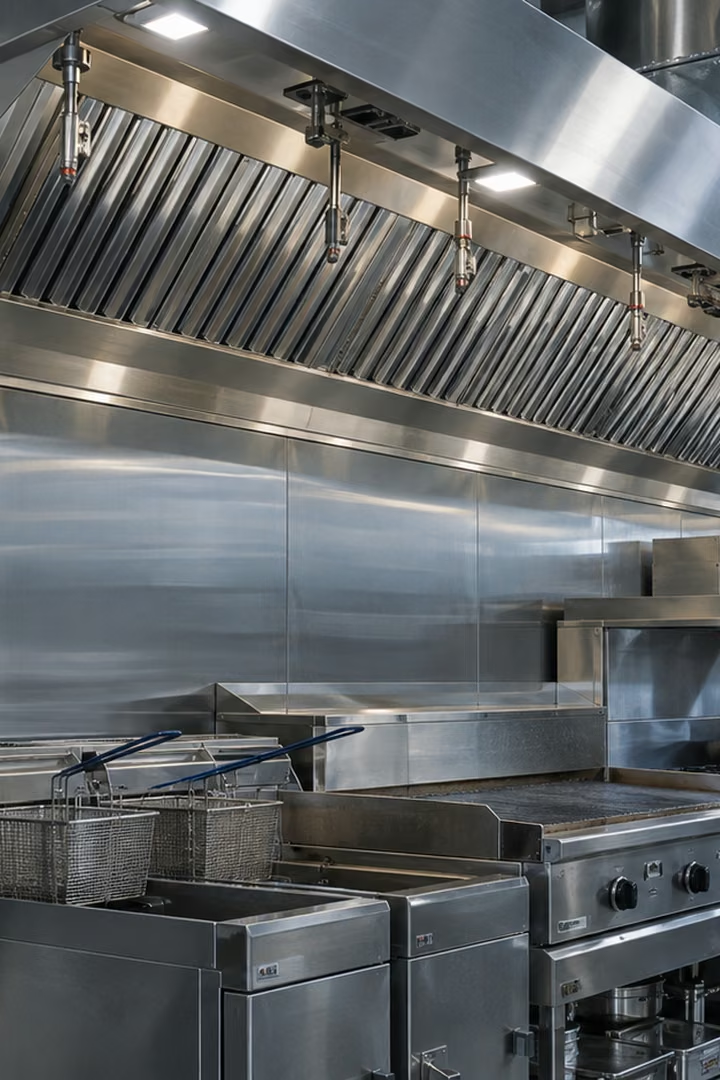
Restaurant hood cleaning, specifically the cleaning of the kitchen hood and exhaust system, is vital for several reasons:
1. Fire Safety
One of the most critical reasons for restaurant hood cleaning is fire safety. Grease buildup in the hood and exhaust system is highly flammable. If a fire were to start in your kitchen, whether from cooking equipment or another source, the accumulated grease could ignite, leading to a dangerous and potentially catastrophic fire.
Regular cleaning removes the fuel source (grease) and reduces the risk of a fire starting in the hood or exhaust system.
2. Indoor Air Quality
A clean hood and exhaust system efficiently capture and remove smoke, odors, and airborne contaminants generated during cooking. This ensures better indoor air quality in your restaurant, creating a more comfortable and healthier dining environment for your customers and employees.
3. Compliance with Regulations
Health code regulations for restaurants often require regular cleaning and maintenance of kitchen hoods and exhaust systems. Failure to comply with these regulations can result in fines, penalties, or even the closure of your establishment.
4. Equipment Efficiency
A clean hood and exhaust system operate more efficiently. When airflow is obstructed by grease buildup, your kitchen equipment must work harder to maintain proper ventilation. This can lead to increased energy consumption and wear and tear on your equipment.
Meeting Health Code Regulations
To meet health code regulations for restaurant hood cleaning, consider the following steps:
1. Understand Local Regulations
Different regions may have specific requirements regarding the frequency and standards for restaurant hood cleaning. It’s essential to understand and comply with the regulations applicable to your area.
2. Schedule Regular Cleaning
Establish a regular cleaning schedule based on the type of restaurant, cooking volume, and the local regulations. High-volume kitchens may require more frequent cleaning, while smaller establishments may have different requirements.
3. Choose a Professional Cleaning Service
Professional restaurant hood cleaning services have the expertise, equipment, and cleaning agents necessary to thoroughly clean and maintain your kitchen hood and exhaust system. They should be certified, experienced, and knowledgeable about local health code regulations.
4. Maintain Documentation
Keep detailed records of all restaurant hood cleaning activities. This documentation should include cleaning dates, services performed, and technician certifications. This information may be required for health code inspections.
The Role of Utah Hood Cleaning
Check the provider’s current company authorization, personnel qualifications and insurance rather than relying on a marketing description. Confirm the components, access arrangements and reporting included in the proposed work.
Discuss the cleaning method, equipment protection, access and documentation with the provider before booking. Manufacturer instructions and the actual system condition should guide the work; do not infer experience, special equipment or guaranteed results from a general guide.
To schedule your restaurant hood cleaning and maintain compliance with health code regulations, contact us at 801-853-8155 or visit our website utahhoodcleaning.com. Let us help you keep your restaurant safe, clean, and in full compliance with health codes.
Equipment instructions, system condition and applicable requirements matter. Do not treat general maintenance information as a substitute for an appropriately qualified provider’s assessment.
Explore commercial kitchen exhaust cleaning