
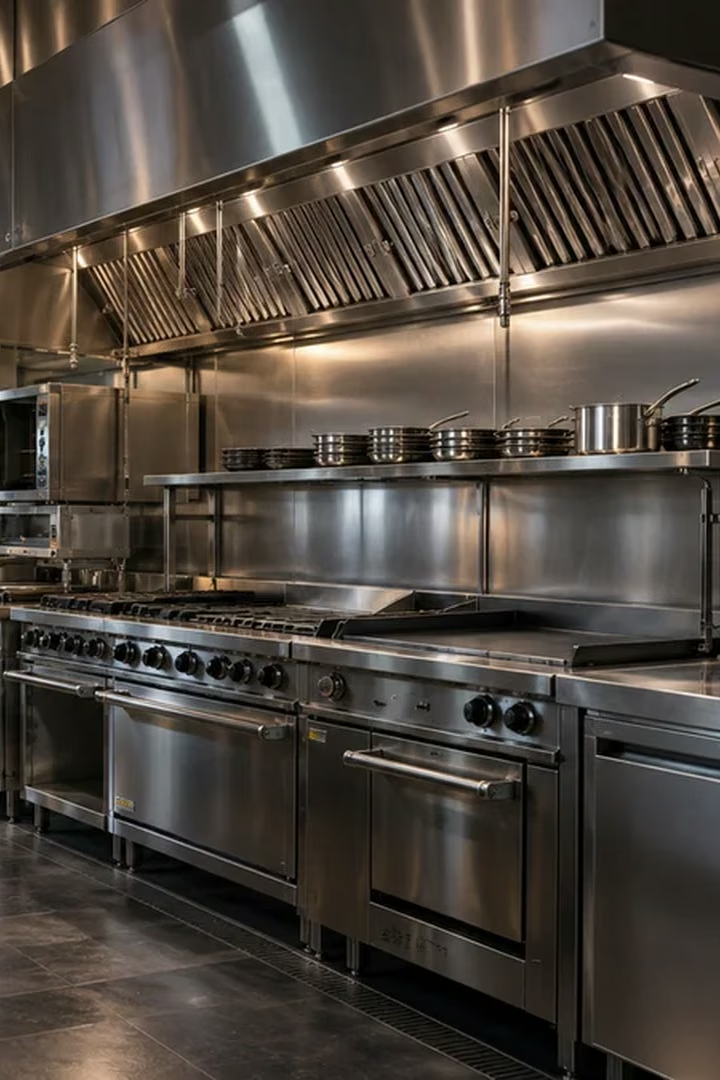
Commercial kitchen
hood cleaning in Utah.
From the hood above your cooking line to the exhaust fan on the roof. A clear service scope, thorough grease removal, and documentation you can keep.
Complete-system scope
Before-and-after documentation
Recurring service conversations
A polished hood is
only the beginning.
What matters is the grease you can see, the grease you can’t, and a clear understanding of what was cleaned.
We focus on commercial kitchen exhaust systems and the details that make a service visit useful: scope, access, protection, and a documented result.
Get to know the approachOne system.
Every part matters.
The canopy, filters, ductwork and fan each deserve attention. Understand the work before it starts.
Hood Cleaning
A cleaner hood. A better-protected kitchen.
02Kitchen Exhaust Cleaning
The entire exhaust path deserves attention.
03Exhaust Hood Cleaning
Attention to the hood, plenum and grease path.
04Hood Filter Cleaning
Keep the grease-removal stage working as intended.
05Exhaust Fan Cleaning
Do not leave the rooftop end of the system out.
06Rooftop Grease Containment
Keep rooftop grease concerns in the service conversation.
07Grease Duct Cleaning
The hidden connection between the hood and fan needs an accessible, documented scope.
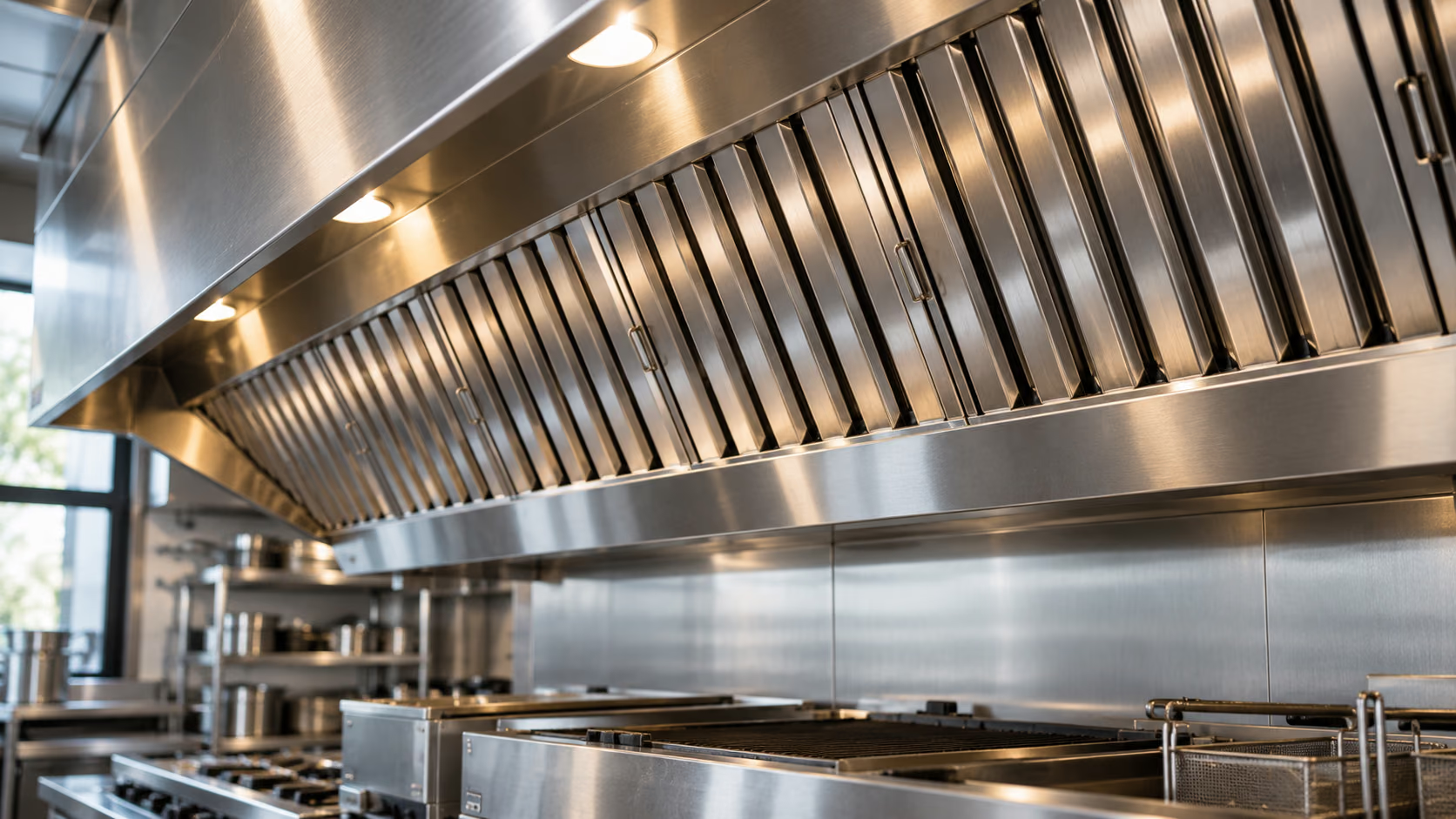
A clearer clean.
A clearer record.
Before-and-after photographs and an after-service report help you understand the work performed. Keep the record with your kitchen maintenance information, including any limitations or deficiencies that need follow-up.
The right conversation is not just “does it look clean?” It is “what was included, what was accessed, and what happens next?”
See the service processPractical from
the first conversation.
Cooking schedules, roof access and system layouts vary. The scope should reflect the kitchen you actually run.
Tell us about the kitchen
Share the hood count, address and any useful photos or prior service details.
Agree the scope
Discuss access, the components included and the appropriate service window.
Clean and document
Keep a clear record of the work and any limitations or deficiencies.
Plan ahead
Discuss recurring service around the operation and applicable requirements.
Your kitchen.
Your service area.
From northern Wasatch Front kitchens to Salt Lake and Utah County, start with your actual service address. We’ll discuss availability, access and the right scope.
Explore service areasKeep maintenance
in the conversation.
Service frequency should reflect the way you cook and the condition of the system. Ask about recurring cleaning so the next visit is considered alongside the current scope, not as an afterthought.
Discuss Your KitchenGood questions.
Useful answers.
Is hood cleaning the same as cleaning the whole exhaust system?
Not necessarily. The visible canopy is only part of the grease path. Ask whether the scope includes the plenum, filters, connecting ducts and exhaust fan, and how any access limitations will be recorded.
How often does a commercial kitchen need service?
Cooking type, operating volume and system condition all matter. Inspection intervals are not a reason to leave grease deposits untreated. Confirm the appropriate schedule with the provider and the responsible fire authority.
What should I include when requesting a quote?
The service address, number of hood systems and your interest in recurring service are a useful start. Photos and details about access, past service or known issues can help explain the scope.
What documentation should I keep?
Keep the after-service report, before-and-after photographs and any deficiency follow-up with your kitchen maintenance records. A sticker is not a substitute for knowing what was serviced.