
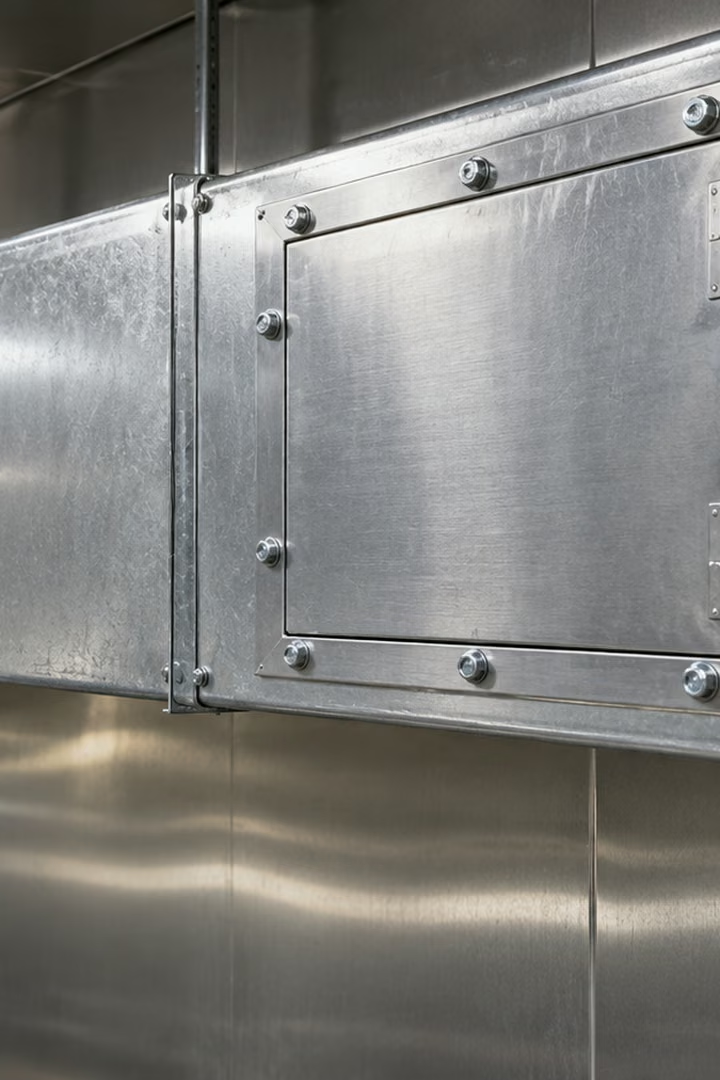
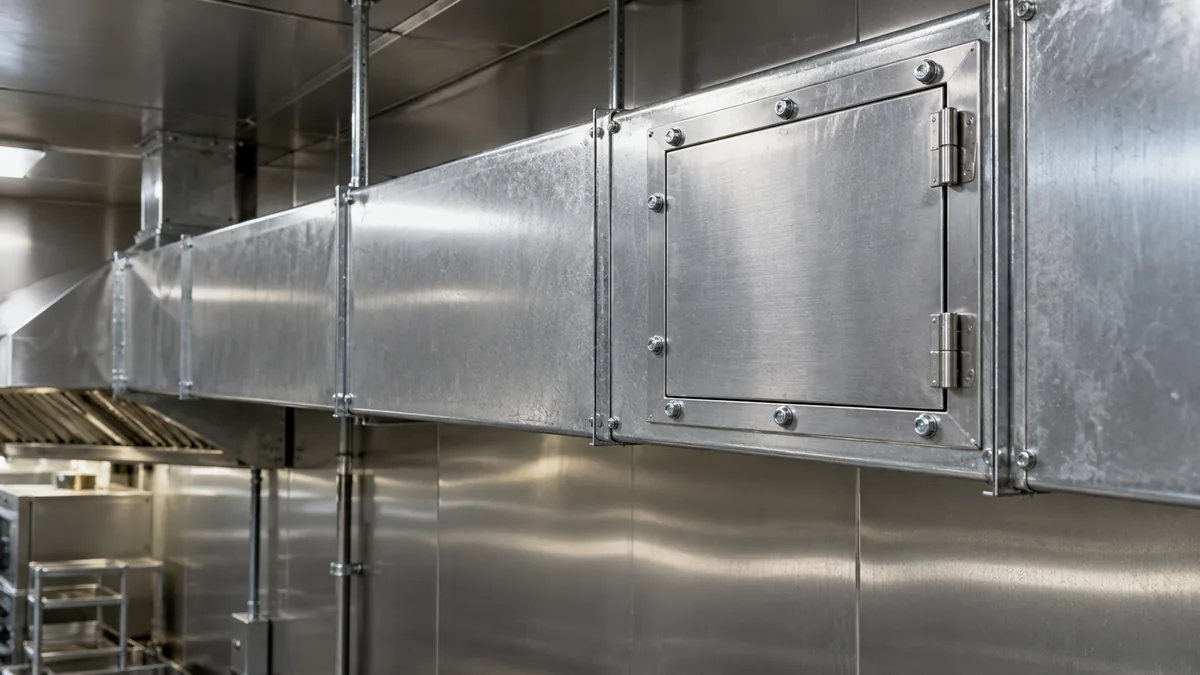
Kitchen safety records should explain the work and any condition needing attention. A sticker, invoice or photograph can each contribute to the history, but none should be mistaken for an unconditional guarantee that the whole installation is compliant.
Keep the records together
Retain inspection and cleaning dates, provider details, the service scope, photographs and the report. Include prior deficiency follow-up so the person responsible for the kitchen can see what remains unresolved. A maintenance file is more useful when it is available to the manager, not just the last employee who arranged the visit.
Understand the Completion and Deficiency Report
Utah State Fire Marshal guidance says commercial hood and ventilation cleaning companies performing work in Utah must issue a Completion and Deficiency Report to the establishment owner after inspection or cleaning. It describes how applicable unsafe conditions, inaccessible areas and mandated repairs are handled.
The state's published report asks about filters, grease loading, fan condition, prior service, the system diagram and whether the service label has been signed and dated. It is a record of findings, not just a statement that the canopy looks shiny.
Ask what a deficiency means
If the record identifies a problem, ask which component is involved, what action is needed and who is responsible for arranging it. Depending on the finding, follow-up with the local fire authority may be required. Do not assume every issue can be resolved by another cleaning pass.
Do not use photos without context
A close-up is more useful when it identifies the component and whether it is before or after service. Ask for a record that reflects the scope. An attractive exterior photograph does not establish the condition of unseen duct sections.
Separate the related scopes
Exhaust cleaning, fan repair, suppression servicing and building or roof work may involve different qualifications. Keep the work orders distinct enough to show what each provider is doing. Cleaning the exhaust system does not certify the suppression installation.
Use records to make the next decision
The previous grease condition, access findings and cooking operation help inform the next service conversation. Ask the provider to explain the proposed interval and confirm the applicable requirements with the responsible authority. Do not rely only on a generic internet frequency table.
Read about the service process or request a hood-cleaning quote.
Sources
Utah licensing and service guidance and the published Completion and Deficiency Report. Educational information only; not a compliance determination.
Equipment instructions, system condition and applicable requirements matter. Do not treat general maintenance information as a substitute for an appropriately qualified provider’s assessment.
Explore commercial kitchen exhaust cleaning