
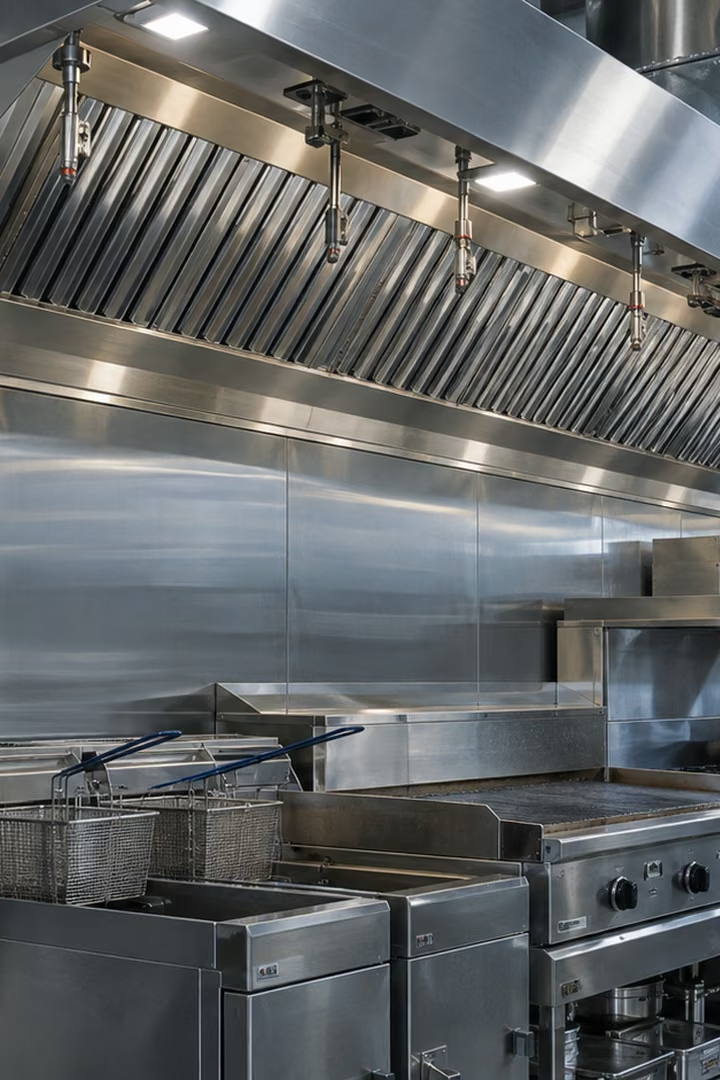
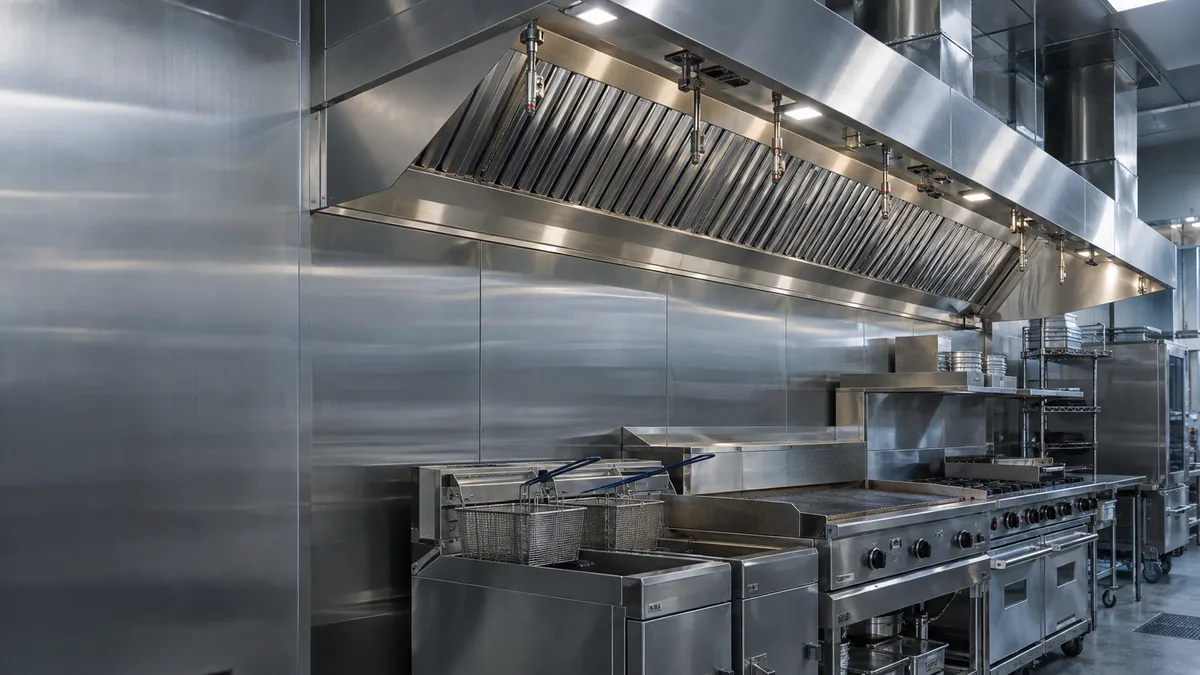
A calendar reminder is useful, but it is not the whole answer. Commercial kitchen exhaust cleaning depends on the cooking operation, the condition of the system and the requirements applied by the responsible fire authority. Two kitchens with the same number of hoods can need very different maintenance plans.
Inspection and cleaning are different decisions
An inspection looks at the system and its condition. Cleaning removes accumulated grease and other deposits. A published inspection interval should not be treated as permission to leave combustible grease in place until the next date. Likewise, a clean-looking canopy does not tell you what is happening inside the ducts or fan.
Describe how the kitchen is used
Solid-fuel cooking, long operating hours, charbroiling and grease-intensive equipment can change the maintenance conversation. A low-volume or seasonal kitchen may have a different pattern. Tell the provider what equipment is used, how many hours it runs and whether the operation has recently changed.
- Cooking equipment and fuel type.
- Typical operating hours and volume.
- Previous inspection and cleaning records.
- Known grease accumulation or access limitations.
- Changes to the menu, equipment or kitchen layout.
Confirm the applicable interval, rather than copying a table
NFPA 96 is a relevant commercial-cooking fire-safety standard, but its adopted edition and the requirements applied to a particular facility need to be established. General guidance cannot determine the correct interval for every Utah kitchen. Confirm the schedule with an appropriately qualified provider and the responsible fire authority.
Use the service record to plan the next visit
A useful maintenance file includes the service date, work performed, photographs, recorded limitations and deficiency follow-up. Ask why the recommended next inspection or service date fits your cooking operation. Keep those records available to the person responsible for the kitchen.
Do not rely on appearance alone
Visible grease, reduced extraction or a change in operation is a reason to raise a maintenance question, not a reason to wait for a printed reminder. A noisy or nonoperating fan may also require mechanical attention separate from cleaning. If there is an immediate fire or safety emergency, follow the facility's emergency procedures and contact emergency services.
Discuss recurring service for your kitchen
Our quote form asks for hood count, the service address and recurring-service interest. Add details about previous service or known access issues. That gives the team a practical starting point without pretending that one interval works for everyone.
Request a hood-cleaning quote or explore full-system exhaust cleaning.
Sources and scope
Utah State Fire Marshal: kitchen exhaust inspection and cleaning guidance. This guide is educational, not an inspection or a compliance determination.
Equipment instructions, system condition and applicable requirements matter. Do not treat general maintenance information as a substitute for an appropriately qualified provider’s assessment.
Explore commercial kitchen exhaust cleaning