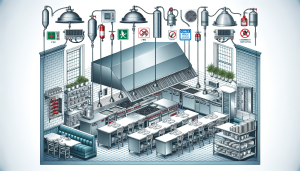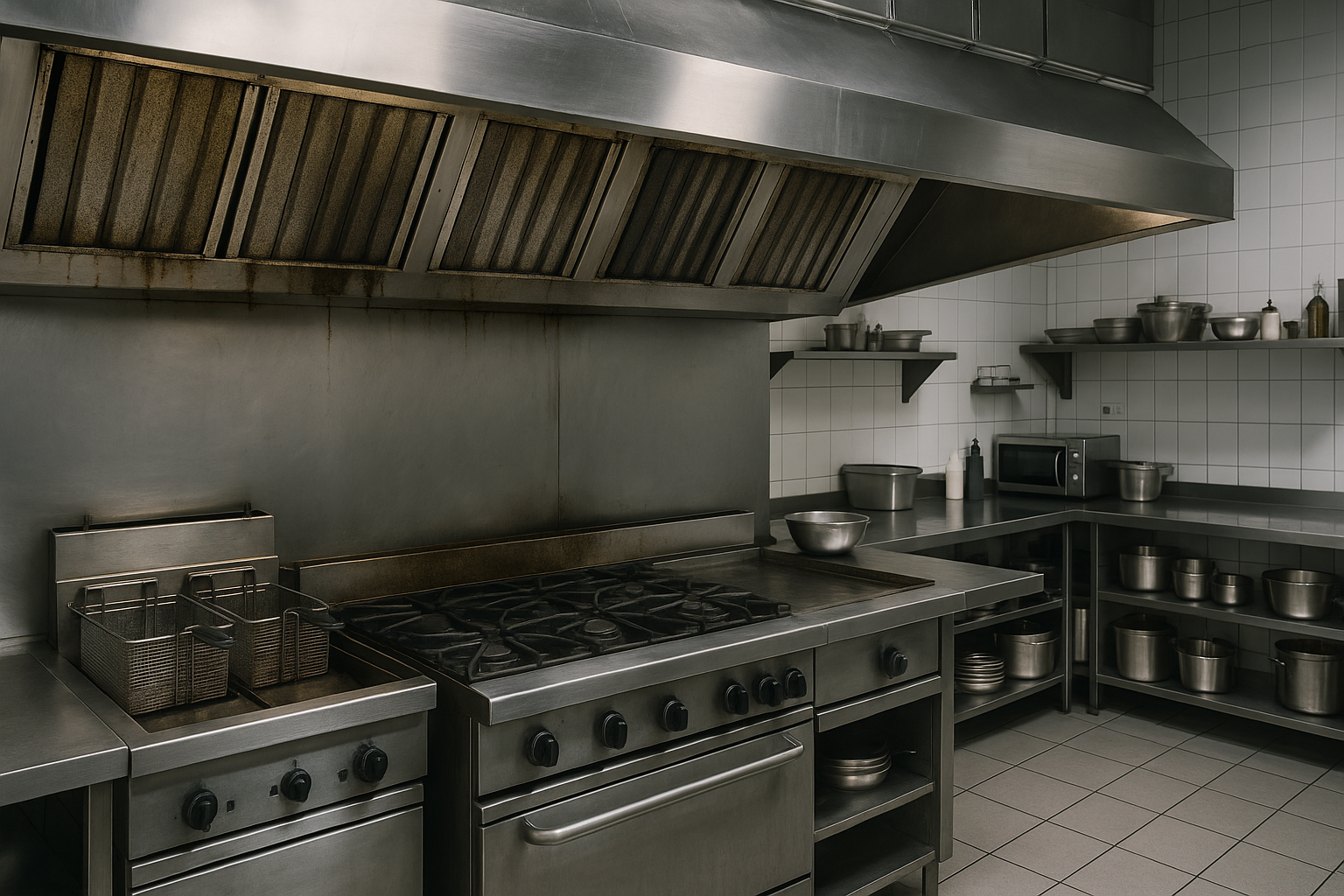
Picture your kitchen on a busy Friday night in downtown Salt Lake City. The ticket machine is screaming nonstop. Pans are clattering against the heavy iron grates. Someone is loudly shouting for a side of ranch dressing. It is pure controlled chaos. Honestly it is exactly why you love the restaurant business. The adrenaline rush is completely unmatched. But take a second and look up. Right above your busy line cooks is the real unsung hero of the entire night. Your Commercial kitchen hood system.
All that thick smoke from sizzling steaks and frying potatoes has to go somewhere. The air is literally filled with atomized Grease. You probably do not think about that big metal box very much. It is entirely out of sight and out of mind right? Well here is the thing. Ignoring what happens inside that giant Exhaust canopy can easily cost you your entire business.
We need to have a serious conversation about something crucial today. We are talking about the absolute necessity of regular kitchen hood ventilation cleaning. Maybe you think your closing crew does a perfectly fine job wiping down the shiny metal on the outside. They might even run the aluminum grease filters through the dish machine every single night. That is a very good start. However it is nowhere near enough to keep you safe. What hides deep inside the dark ductwork is a completely different animal. Let me explain how this whole system actually works and why calling a professional is the smartest move you can make.
Honestly What Is Breathing Up There Anyway
Think of your Kitchen Exhaust system like a giant set of mechanical lungs. When you drop a heavy basket of frozen fries into the hot oil a massive plume of vapor shoots straight up into the air. The metal hood captures that vapor. The powerful Exhaust fan sitting up on your roof acts like a massive vacuum cleaner. It pulls that greasy hot air right through the baffle filters. The air travels up a long metal windpipe called the exhaust duct. Finally it gets pushed outside into the open air.
But grease is incredibly sneaky. It absolutely does not stay in vapor form for very long. As that hot vapor travels higher up the vertical duct it starts to cool down. When it cools it turns back into a heavy liquid. It clings tightly to the bare walls of the ductwork. It coats the spinning blades of your roof fan. It completely covers the inside of the plenum which is the empty metal chamber located directly behind your filters. This is exactly where things get extremely nasty.
Over time this liquid grease starts to bake from the ambient heat of the kitchen below. It hardens into a thick sticky resin. Animal fats from grilling burgers act differently than liquid vegetable oils from your fryers but they both create a terrible mess. They polymerize into a substance that feels like hardened tree sap. You cannot just wipe it off with a damp bar towel. You know what? A lot of restaurant owners in Salt Lake City assume that if the outside of the hood looks clean and shiny everything is perfectly fine. That is a very dangerous illusion. The real hazard is not sitting where you can easily see it. It is lurking in the completely dark spaces between your kitchen ceiling and your roof.
The Fire Risk Nobody Really Wants To Talk About
Let us be entirely honest for a second. Running a busy restaurant is stressful enough on a good day. You constantly worry about rising food costs. You worry about labor shortages and employees calling out sick. You worry about getting bad reviews online from picky customers. A catastrophic fire is probably something you just push to the back of your mind. But commercial kitchen grease fires are incredibly common. They are also incredibly destructive.
Here is a very real scenario that happens all the time. A tired line cook gets distracted during the dinner rush. A sauté pan full of oil on the flat top suddenly overheats. Bright flames shoot up and lick the bottom of the metal baffle filters. If your hood system is professionally clean those filters will do their exact job. They will catch the flame and prevent it from traveling up into the duct. But what happens if the filters are choked with heavy grease? What if the vertical duct behind them is coated in an inch of highly flammable resin?
That small momentary flare up suddenly finds an unlimited fuel source. The fire immediately gets sucked up into the ductwork by the draft of the exhaust fan. Now you have a massive fire raging inside a metal tube running straight through the wooden structure of your building. This is exactly how popular restaurants burn to the ground. The fire department will definitely show up. They will chop massive holes in your expensive roof to put out the flames. Even if they manage to save the actual building the resulting water and smoke damage will easily shut your doors for several months. Regular Commercial Hood Cleaning stops this exact nightmare scenario from ever happening.
Keeping The Salt Lake County Health Department Happy
Nobody likes seeing a health inspector walk through the back door holding a clipboard. Your heart always drops just a little bit. You immediately wonder if someone left a red sanitizer bucket sitting on a clean prep table. You wonder if the walk in cooler is holding the correct temperature. Inspectors have a very tough job. Sometimes they seem incredibly picky about tiny details. But they actually just want to keep the general public safe. They also want to keep your hardworking staff safe from harm.
When the local fire marshal or the county health department does a surprise inspection they will always check your hood system. They are looking for a very specific certification sticker. That shiny sticker proves your system was recently serviced by certified professionals. There is a strict set of safety rules written by the National Fire Protection Association. It is officially called NFPA 96. This code tells inspectors exactly how much grease buildup is legally allowed before your kitchen becomes a major fire hazard. Spoiler alert. The allowed amount is practically zero.
If you do not have solid proof of regular professional cleanings you can get slapped with massive daily fines. The inspector might even shut down your kitchen completely until you get the mess cleaned up. Imagine losing an entire weekend of revenue just because you skipped a basic maintenance appointment. It simply is not worth the financial risk. Your business insurance company is just as strict about this rule. If you unfortunately have a fire and the claims adjuster discovers you neglected your exhaust system they will likely deny your claim entirely. You would be left paying for the massive building damage straight out of your own pocket.
Here Is The Thing About Kitchen Airflow And Heat
Let us step away from the scary fire stuff for just a minute. Let us talk about everyday physical comfort in your building. Utah summers are notoriously hot and dry. When July finally hits Salt Lake City feels like walking into an oven. Your kitchen obviously feels even worse. You have multiple ovens running at five hundred degrees all day long. You have open gas burners throwing off massive heat. If your hood system is severely clogged with baked grease it simply cannot do its job properly.
A choked exhaust fan struggles incredibly hard to pull hot air out of the building. Have you ever tried to pull open the front door of your restaurant and it feels incredibly heavy? That is a negative air pressure problem caused by poor ventilation. Your expensive air conditioning system has to work twice as hard to compensate for the trapped heat. You will definitely see your summer utility bills skyrocket for no apparent reason. Furthermore all that thick smoke and grease vapor has to go somewhere if it cannot go up the metal chimney. It spills right back out into your kitchen.
Your tile floors get incredibly slippery and dangerous. Your stainless steel walls get a weird sticky film on them that attracts dirt. Even worse the lingering smell starts to drift out into the main dining room. Paying customers absolutely do not want to go home smelling like old fry oil. They want to enjoy their expensive meal in a clean comfortable environment. Maintaining excellent airflow keeps your cooks happy and productive. It keeps your customers coming back week after week. A thoroughly clean hood simply breathes better.
Sure You Can Clean The Filters But What About The Rest
I hear this specific excuse all the time from busy kitchen managers. They proudly say their dishwashers clean the hood every single night before locking up. I always have to stop and ask what exactly they are cleaning. Usually they just wipe down the visible stainless steel canopy with a rag. They pop out the bottom filters and spray them off with hot water. That is truly a fantastic daily habit to have. You should absolutely keep encouraging them to do that. However it is basically like washing the outside of your car and completely ignoring the failing engine.
The real danger zone is located completely out of reach for your kitchen staff. You cannot expect a young line cook to climb up onto a dangerous roof with a metal scraper and a heavy bucket of industrial degreaser. They do not have the proper safety training. They definitely do not have the heavy duty hot water pressure washers that professionals use. Legitimate restaurant exhaust cleaning requires specialized heavy tools to strip the duct walls down to bare metal.
Plus there is a huge environmental factor to consider here. If you just spray harsh chemicals up into the fan and let the nasty greasy water run off the roof it goes straight into the city storm drains. You are basically begging for massive environmental fines from the city. Professionals know how to properly catch and dispose of the contaminated wastewater.
Let us look at a very quick comparison of how people usually handle this messy chore.
| Cleaning Method | What Actually Gets Done | Overall Risk Level |
|---|---|---|
| Your Daily Kitchen Staff | Wipes the visible outer surfaces and washes the bottom filters. | Extremely High. The hidden vertical ductwork remains totally full of grease. |
| Uncertified Cheap Cleaners | Sprays some cheap chemicals and pressure washes the roof fan but leaves the vertical duct completely dirty. | Very High. Creates a false sense of security while severe fire hazards remain hidden. |
| Utah Hood Cleaning Pros | Scrapes and safely washes the entire system from the spinning roof fan all the way down to the cooktop. | Zero. Fully compliant with all health safety codes and strict insurance requirements. |
You almost always get exactly what you pay for in this industry. Hiring the absolute cheapest guy you can find on the internet usually means he will skip the hard parts. We never cut corners. We actually take detailed before and after photos so you can see exactly what we did up there in the dark.
How Our Utah Seasons Mess With Your Ventilation
We happen to live in a very unique geographic climate here along the beautiful Wasatch Front. We get blistering dry heat in the middle of summer and freezing heavy snow in the winter. You might not actually realize it but the outside weather directly affects how your hood system operates on a daily basis. Let me give you a perfect example of how this happens.
In the middle of cold January the outside air is completely freezing. The mechanical exhaust fan on your roof is pulling hot liquid grease vapor up the long duct. The exact second that hot vapor hits the freezing cold metal near the roofline it solidifies almost instantly. It turns into a solid rock hard block of grease. This heavy buildup happens much faster during the freezing winter months. If the metal fan blades get too heavy with frozen grease they become unbalanced. The expensive fan motor will eventually burn out entirely from the strain.
Replacing a burned out upblast fan motor is an incredibly expensive repair. It is definitely way more expensive than paying for a routine cleaning service. Plus we all know about the famous dirty Utah winter inversion. The thick smog gets trapped right here in the valley. The outside air quality gets absolutely terrible. You certainly do not want to create your own personal inversion inside your restaurant by having a blocked up exhaust hood. Keep the indoor air flowing smoothly no matter what the crazy weather is doing outside.
Wrapping Your Head Around A Cleaning Schedule
So how often do you actually need to call a professional crew out to your restaurant? The honest answer is that it depends completely on what specific food you cook and how much volume you produce. The national fire safety codes are actually pretty specific about these timelines.
Here is a general breakdown of what the safety codes demand to keep you legally compliant:
- Monthly service is strictly required if you run any solid fuel cooking operation like a wood fired pizza oven or an indoor charcoal grill. Wood smoke creates dangerous creosote which sparks easily.
- Quarterly service is entirely mandatory for fast food places or high volume spots that run deep fryers twenty four hours a day.
- Semi annual service works perfectly well for your average sit down restaurants doing moderate volume with standard flat tops and gas burners.
- Annual service is totally acceptable for low volume seasonal camp kitchens or small senior citizen center cafeterias.
We can easily help you figure out the exact proper schedule that keeps you legally compliant without wasting your hard earned money. We simply put you on a recurring digital schedule so you never even have to think about it again. We just show up when you are closed do the dirty work and leave your kitchen shining bright for the morning crew.
Let Us Handle The Mess So You Can Run Your Kitchen
Managing a busy popular restaurant in Salt Lake City clearly takes every ounce of your daily energy. You have a million different things pulling your attention in completely different directions every single day. The absolute last thing you need hanging over your tired head is the lingering threat of a sudden grease fire or a massive unexpected fine from the local health inspector. Peace of mind is an incredibly valuable asset in this tough industry. Knowing for an absolute fact that the hidden spaces above your cooking line are completely bare metal clean allows you to focus on what actually matters. You can focus entirely on serving amazing delicious food to your loyal guests.
Please do not wait until your rooftop exhaust fan starts rattling loudly or your dining room smells heavily like burnt smoke. Preventative maintenance is always cheaper than emergency disaster repairs. We have been keeping local neighborhood kitchens safe and fully compliant for many years. We know exactly what the tough inspectors are looking for because we deal with them constantly. Our local technicians are highly trained heavily insured and completely ready to tackle the absolute stickiest messes you can possibly throw at us.
If you are unsure when your system was last professionally serviced it is absolutely time to take action. Ignoring the grease problem will not magically make the grease disappear. We make the entire scheduling process incredibly simple and completely transparent for owners. Contact Utah Hood Cleaning today at 801-853-8155 to properly secure your kitchen from fire hazards. Reach out right now to Request a Free Quote and let our professionals handle the hard work while you focus on your food.