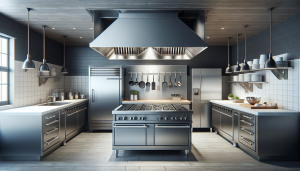
Picture a incredibly busy Friday evening in downtown Salt Lake City. The kitchen tickets are printing nonstop. The grill is totally packed with thick steaks and fresh burgers. The fryers are bubbling away constantly. Your line cooks are moving perfectly together. The food looks amazing coming out of the window. But there is something else happening just above their heads. Something you really cannot ignore forever. Thick Grease is floating right up into the air.
Honestly, nobody decides to open a restaurant because they absolutely love dealing with grease. You do it for the love of cooking. You do it to feed people. But grease is simply part of the deal. It gets everywhere. And eventually, all of that airborne cooking oil gets sucked up directly into your Commercial Exhaust system. Or at least, that is what is supposed to happen under normal circumstances.
If your filters are clogged, that sticky grease has literally nowhere to go. It just sits there baking in the heat. Then it slowly drips back down. Sometimes it drips right onto the cooking surface below. Gross, right? You know what else happens? The smoke stays trapped inside the kitchen. Your staff starts coughing. Then the nasty smoke creeps out into the main dining room. Your paying customers start wondering why their expensive clothes smell exactly like a deep fryer. It is definitely not a great experience for anyone involved.
This is exactly why regular restaurant hood Filter cleaning is a massive deal. It is not just another chore on a long checklist. It is the beating heart of your entire kitchen ventilation.
The Metal Lungs of Your Kitchen System
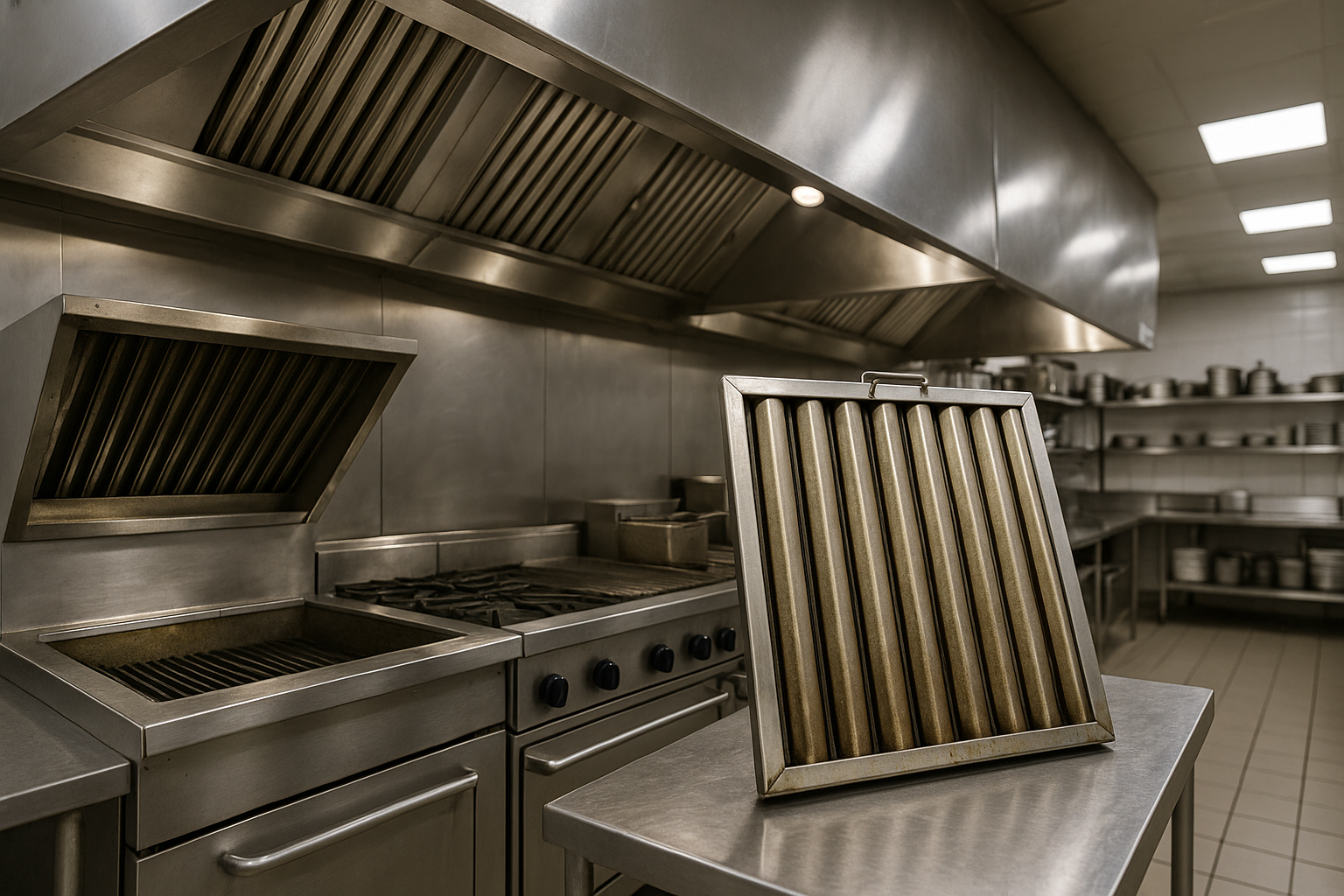
Let me explain how this whole thing actually works up there. Most folks just look up and see a shiny metal grate. They do not really spend time thinking about what it actually does. But your hood filters are basically the lungs of your entire cooking line. They breathe in the bad stuff so your hard working staff can breathe fresh air.
Specifically, we are talking about baffle filters. These are those heavy stainless steel or aluminum panels with the deep ridges. As the hot, greasy air gets pulled up strongly by the Exhaust fan on the roof, it has to pass through those tight ridges. The air is forced to twist and turn very fast. Because heavy liquid grease is much heavier than normal air, the fast turns cause the grease droplets to physically smash into the metal walls. The grease sticks securely to the metal. The clean air keeps going freely up the ductwork. It is actually a very clever piece of engineering.
But here is the thing. They only work correctly if they are clean.
Think about a simple coffee filter for a second. If you keep pouring water through the exact same paper filter for an entire week, what eventually happens? The water stops flowing entirely. It overflows everywhere and makes a giant mess on the counter. Your hood filters do the exact same thing. When the baffles get completely packed with thick, sticky grease, the air cannot pass through anymore. The vital air flow just completely stops.
You absolutely need air flow. Your kitchen relies on it. Without proper ventilation, the intense heat stays trapped near the stoves. Your kitchen gets unbearably hot very quickly. The air conditioning unit works twice as hard trying to cool the entire place down. You are literally paying extra money on your monthly power bill simply because a piece of metal is dirty. That is incredibly frustrating.
The Elephant in the Room Is the Threat of Fire
We have to talk about the scary stuff for a minute. Grease is incredibly flammable. You know this. Every chef knows this fact. But cooked, sticky grease that has been baking under intense heat for weeks on end? That stuff is basically rocket fuel waiting for a spark.
All it takes is one high flame. Maybe someone leaves a pan on the burner a little too long. Maybe a massive flare up happens suddenly on the charbroiler. The flame jumps up high. If your filters are actively dripping with old cooking oil, that flame catches instantly. There is no warning.
Once a fire actually starts in the hood, the situation is incredibly dangerous. The exhaust fan is still running on the roof. That means the system is literally sucking the fire up into the hidden ductwork. The fire travels extremely fast. It can easily spread to the wooden roof structure in minutes. And grease fires burn very, very hot. They are notoriously difficult to put out with standard extinguishers.
I do not want to sound dramatic, but a serious fire can shut your restaurant down for good. You poured your life savings and your soul into this business. You definitely do not want to lose everything over a dirty piece of metal. This is exactly why the local fire marshal takes commercial Kitchen Exhaust cleaning very seriously. They will walk right in, look up with a bright flashlight, and write a massive fine if they see a hazard. They might even force you to close the doors on the spot.
Insurance companies are the exact same way. If you ever suffer a fire, the very first thing the claims adjuster asks for is your documented cleaning records. If you cannot prove that you hired professional kitchen Hood Cleaners regularly, they might deny your insurance claim entirely. You are left holding the bag alone. Consistent maintenance is essentially a cheap insurance policy for your peace of mind.
How Long Do These Metal Lungs Last Anyway?
Here is a quick tangent that most managers miss completely. Filters do not last forever. Even if you wash them perfectly, they take a lot of physical abuse over the years. They get dropped on the hard tile floor. They get banged against the heavy sinks.
When a baffle filter gets dropped, the frame bends out of shape. Even a tiny dent causes a major problem. Why? Because when you put a bent filter back into the hood rack, it no longer sits completely flush. It leaves a small gap between the panels. That little open gap is a free pass for raw flames to shoot directly up into your greasy ductwork without any protection at all.
If you have bent, missing, or damaged panels, they are not doing their job. A reputable cleaning crew will always inspect the physical condition of the metal and warn you if replacements are desperately needed. You never want to leave open gaps in your defense.
So How Often Should We Wash These Things?
You are probably wondering what the realistic schedule should look like. It completely depends on what exactly you are cooking every day. A quiet vegan bakery does not produce the same heavy amount of grease as a busy twenty four hour burger joint. The volume matters entirely. The type of fat matters too.
Here is a quick breakdown of what you should typically expect in the industry.
| Cooking Volume Profile | Common Restaurant Types | Suggested Cleaning Frequency |
|---|---|---|
| Very High Grease | Fast food, burger joints, busy steak houses | Cleaned daily or weekly |
| Moderate Grease | Casual dining, Mexican food, Italian bistros | Cleaned every two to four weeks |
| Low Grease Output | Bakeries, sandwich shops, small soup cafes | Cleaned every one to two months |
Keep in mind, this schedule is just for the visible panels themselves. The entire hidden ductwork system and the roof fan need a full professional scrape and hot water wash on a regular schedule too. But the baffles are your very first line of defense. They need attention constantly.
Please Stop Making the Dishwasher Do It
Let us talk about a very common mistake. Many restaurant managers try to save a few dollars by attempting the job themselves. They tell the poor guy working in the dish pit to take the heavy panels down and spray them off. Or even worse, they tell the exhausted closing cooks to take them out back to the alley and hit them with a cold garden hose.
This rarely works out well. Honestly, it is usually a complete disaster.
Here is why. Commercial kitchen grease is completely different from the soft grease leftover on a dinner plate. It is baked on tight. It is heavily polymerized. It basically turns into a hard, sticky resin over time. Normal commercial dish soap will not even put a tiny dent in it. You could scrub aggressively for hours and only succeed in smearing the mess around.
When you run them constantly through your expensive commercial dishwasher, you actually create another huge problem. All that heavy grease melts just enough to wash safely down your drain. But once the liquid hits the cold cast iron pipes under the floor, it hardens back up immediately. It clogs your plumbing completely. It fills up your grease trap incredibly fast. The local water authorities in Salt Lake County actively monitor this issue.
Instead of struggling with a hose, here is what a professional team brings to the table:
- Industrial heated dip tanks: We use boiling hot water mixed with commercial grade degreasers that completely melt the resin away safely.
- Proper chemical disposal: We never wash heavy cooking oils down your delicate plumbing system.
- Zero labor waste: Your valuable staff members get to focus entirely on closing the kitchen and going home to rest.
This is where a dedicated Salt Lake City hood cleaning company really shines. We have the specific harsh chemicals required. We have the safety gear. We take the dirty panels away and replace them with perfectly clean ones. You save real money on wasted labor. You save expensive wear and tear on your dish machine. It is a win for everyone involved.
Keeping the Health Inspector Smiling
Surprise visits from the county health department are incredibly stressful. You see them walk through the front double doors holding their dreaded clipboard, and your heart sinks a little bit. You hope the morning prep cooks labeled all the food containers correctly. You hope the walk in cooler is holding the perfect safe temperature.
But you know what the inspector always checks first? The ventilation system. Always.
They look directly up at the shiny hood. If they see yellow grease actively dripping down the stainless steel walls, you lose massive points immediately. They know from experience that a dirty hood usually means a dirty kitchen overall. Stale grease attracts nasty bugs. It attracts hungry rodents looking for a free meal. It creates an entirely unsanitary environment for safe food preparation. If grease drips directly into a fresh pan of food below, that is a critical failure.
When you maintain a strict professional schedule for your cleaning needs, you never have to panic when the inspector finally arrives. You can smile warmly and confidently invite them into your cooking area. You know the stainless steel is shining beautifully. You know the airflow is moving perfectly.
It also changes how your staff actually feels during a long shift. A sparkling clean kitchen heavily boosts employee morale. Line cooks absolutely hate working in a smoky, greasy, suffocating environment. When the air is fresh and clean, they are noticeably happier. They work much faster. They take more pride in their specific station. You are investing in your hardworking team just as much as you are investing in your expensive equipment.
The Unique Challenges of Utah Kitchens
Operating a busy restaurant near the beautiful Wasatch Front comes with its own unique quirks. We have high mountain altitude. We have massive temperature swings throughout the year. In the middle of July, it gets incredibly hot outside. Your exhaust fan is pulling out hot air, and your makeup air system is actively pulling in ninety degree heat from outside the building. If your filters are heavily clogged, the entire system cannot balance the interior air pressure properly. The front customer doors become strangely hard to open. The dining room feels sticky and uncomfortable.
Then in the dead of winter, it gets freezing cold outside. You desperately want to keep the expensive warm air inside the building. A properly balanced and clean hood system ensures that your heating system is not fighting a losing battle all year round.
We actually live right here. We eat our meals at these local restaurants. We know exactly what local business owners face every single day. We deeply understand the local county codes and strict fire regulations. A generic national company based out of state might not truly understand the specific strict requirements of our local city fire marshals. But we absolutely do.
Let Us Take This Dirty Job Off Your Hands
You have entirely too much on your plate already. You are constantly managing rising food costs, scheduling unreliable employees, and trying to keep your loyal customers happy. You should not be stressing out late at night about dirty metal panels hanging above your hot fryers. That is our job. We absolutely love doing it. We come in quietly, get the heavy grease completely removed, and get entirely out of your way. Your busy kitchen breathes so much easier. Your staff is protected. Your serious fire risk drops dramatically.
If you are totally ready to check this huge burden completely off your daily worry list, Utah Hood Cleaning is standing by to help. Give us a call at 801-853-8155 to speak directly with our friendly team. You can also Request a Free Quote right now to easily schedule your next service and finally gain some peace of mind.