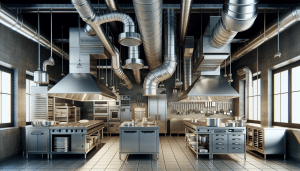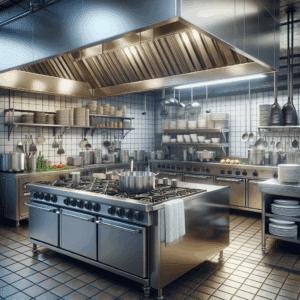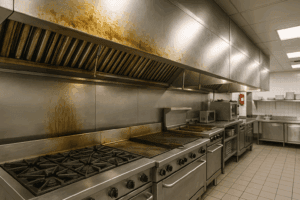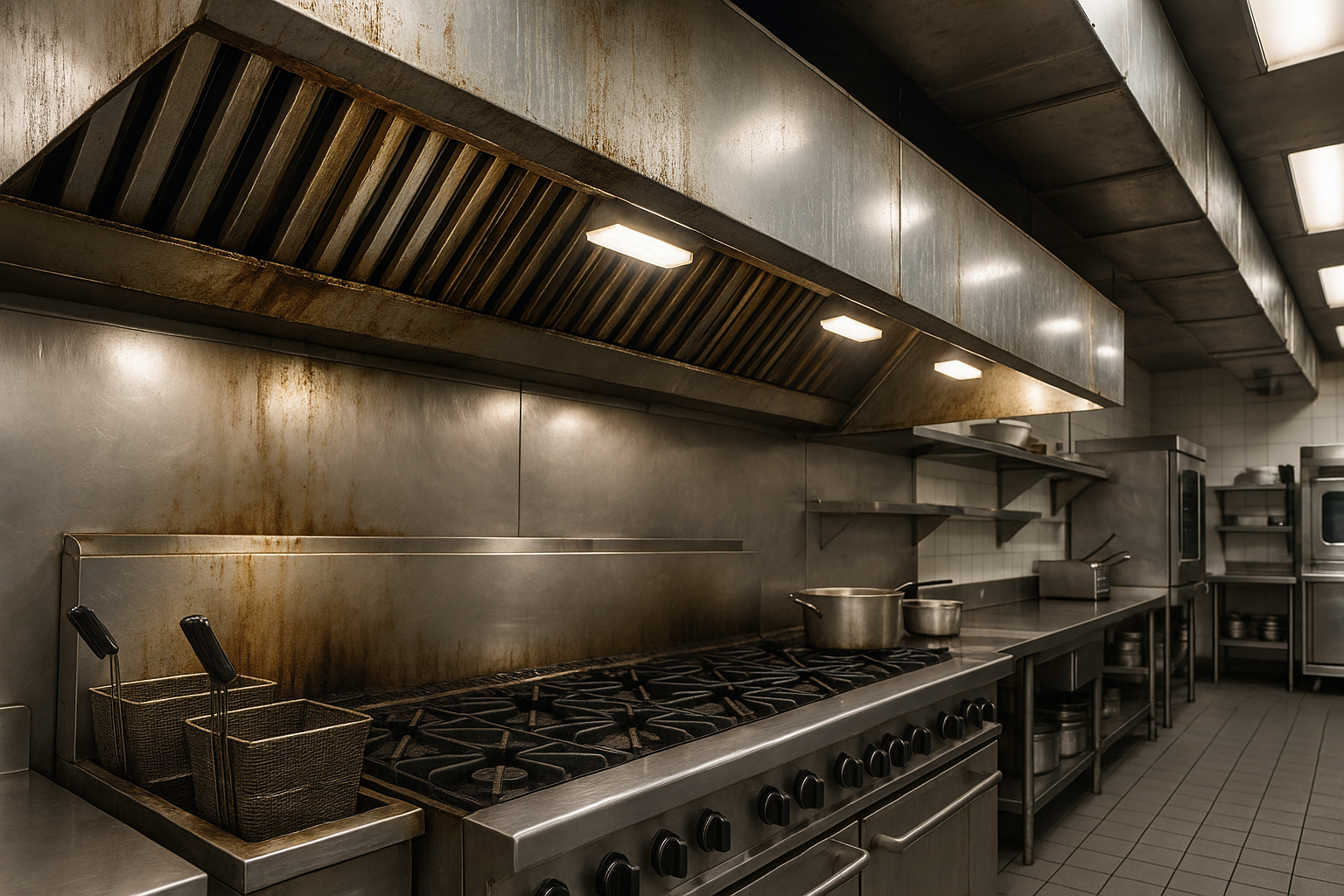
Picture a busy Friday night in a Salt Lake City kitchen. The ticket machine is going absolutely crazy. Your cooks are moving fast. The fryers are roaring. The grill is completely covered in burgers, steaks, and whatever else is flying out to the dining room. It is chaotic, but it is a good kind of chaos. Honestly, this is the heartbeat of your restaurant. But right above all that beautiful madness is a piece of equipment that rarely gets the credit it deserves. We are talking about your Kitchen Exhaust hood.
You know what? Most folks do not give that big metal box a second thought. As long as the smoke goes up and out, everyone is happy. But underneath that shiny stainless steel exterior, a completely different story is unfolding. A story filled with vaporized Grease, high temperatures, and serious risks.
Keeping your kitchen running smoothly takes a lot of work. You have to manage staff, order food, and keep the guests happy. It is a tough gig. That is exactly why Commercial Kitchen Hood Cleaning needs to be at the very top of your priority list. It is not just about keeping things looking nice. It is about keeping your doors open, your staff safe, and your food tasting exactly how it should.
Here Is The Thing About Kitchen Grease
Let me explain how this all works. When you cook, you create smoke, steam, and airborne grease. That grease has to go somewhere. The Exhaust fan pulls all that greasy air up through the baffle filters, into the ductwork, and out through the fan on your roof.
It sounds simple enough. But grease is a funny thing. When it is hot, it floats in the air. When it hits the cooler metal inside your ductwork, it hardens. It sticks. And then it builds up. Day after day, week after week, that sticky residue turns into a thick, highly flammable sludge.
You might think your kitchen is spotless because the floors are mopped and the counters are sanitized. But if you could stick your head inside that ductwork, you might be horrified. Honestly, it gets bad very fast. This unseen buildup is the main reason why regular Salt Lake City restaurant maintenance is absolutely critical for any food service business.
Why Your Exhaust System Is The Lungs Of The Kitchen
Think about your body for a second. If your lungs are full of junk, you cannot breathe. You start coughing. You get tired. Your kitchen exhaust system works exactly the same way. It is quite literally the lungs of your restaurant.
When the ductwork is choked with grease, the airflow drops. The fan has to work twice as hard to pull the same amount of air. What happens then? The kitchen gets hot. And I mean really hot. Your cooks start sweating bullets. The air gets thick with smoke.
When the kitchen gets too smoky, that smoke starts drifting out into the dining room. Nobody wants to sit down for a nice meal and leave smelling like an old deep fryer. It ruins the guest experience. Plus, your air conditioning system now has to fight against all that extra heat trapped in the building. Your energy bills shoot through the roof. Keeping the hood clean literally helps your entire building breathe easier.
The Threat Of Fire Is Not Just A Scare Tactic
We need to talk about the scary stuff for a minute. Grease is basically fuel. When it builds up in your hood system, you are essentially storing highly flammable fuel right above an open flame.
All it takes is one massive flare up from the grill. A spark flies up. It catches the grease inside the Filter. From there, the fire gets sucked up into the ductwork. Because the exhaust fan is pulling air, it acts like a giant blowtorch. It feeds oxygen to the flames. A fire inside your ductwork can spread to the roof in a matter of seconds.
This is a devastating scenario. Fire departments respond to thousands of commercial kitchen fires every single year. The vast majority of these fires start in the cooking area and spread through the exhaust system. This is a big reason why fire marshals are so strict about cleanings. They know that a clean hood simply will not catch fire the way a dirty one will. You need to remove the fuel source. It is really that simple.
Let Us Look At The Real Costs
Sometimes it helps to look at the numbers. Running a restaurant means watching every single penny. You might look at the cost of a professional hood cleaning and think about skipping it for a few months. But let us compare the actual financial impacts.
| The Situation | What Actually Happens | The Financial Impact |
|---|---|---|
| Regular Hood Cleaning | System runs smoothly, safe from fires, passes inspections easily. | Predictable, manageable maintenance cost. |
| Ignoring The Buildup | System fails, AC works harder, health inspector writes you up. | Higher energy bills, potential fines, lost business hours. |
| A Grease Fire Breaks Out | Extensive smoke damage, roof damage, ruined equipment. | Massive repair costs, insurance headaches, potential total closure. |
When you put it out on the table like that, the choice is pretty obvious. Paying for regular maintenance is tiny compared to the massive costs of a kitchen fire or an unexpected closure. It is just smart business.
Keeping The Health Inspector Smiling
Nobody likes the moment the health inspector walks through the door. The tension in the kitchen instantly spikes. Everyone suddenly starts wiping down counters like their lives depend on it.
Salt Lake County health inspectors are thorough. They know exactly where to look. They will shine a flashlight up into your hood canopy. They will check the filters. If they see thick layers of yellow grease dripping down, you are going to get a violation.
Multiple violations can lead to fines. If it is bad enough, they might even shut you down until the issue is fixed. Shutting down on a busy weekend can cost you thousands of dollars in lost revenue. It also damages your reputation. Word travels fast when a restaurant gets shut down. Staying on top of your commercial hood exhaust cleaning means you never have to sweat it when the inspector shows up. You can just smile and let them look around.
The Insurance Trap You Need To Avoid
Here is something a lot of restaurant owners do not realize. Your insurance company cares very deeply about your kitchen hood. When you buy a policy, there is usually a very specific clause buried in the paperwork.
That clause states you must maintain your exhaust system according to local fire codes. It usually references NFPA 96, which is the national standard for ventilation control and fire protection of commercial cooking operations.
If you have a fire, the very first thing the insurance adjuster will ask for is your hood cleaning documentation. They want to see the service reports. They want to know the exact date it was last cleaned. If you cannot prove that you kept up with your cleanings, they can deny your claim entirely. Imagine losing your entire kitchen to a fire and then finding out your insurance will not cover a single dime. It happens more often than you might think. A simple certificate of performance from a professional cleaning company completely protects you from this nightmare.
Salt Lake City Weather Adds Another Layer
Let us talk about something specific to our area. Salt Lake City has some pretty extreme weather. We get blazing hot summers and freezing cold winters. We also get that lovely winter inversion where the air just sits in the valley.
The weather actually affects your exhaust system. On your roof, there is a grease trap catch pan attached to the exhaust fan. When the weather gets freezing cold, that grease turns solid very fast. If the drain holes in the catch pan get clogged, the grease has nowhere to go. It overflows onto your roof membrane.
Grease is acidic. It will literally eat through a commercial rubber roof over time. Then, when the spring rain comes or the snow melts, you suddenly have water leaking right into your dining room. Repairing a commercial roof is insanely expensive. Professional cleaners do not just clean the shiny metal downstairs. They go up on the roof. They clean the fan blades. They empty the catch pans. They protect your roof from expensive damage.
Can Your Prep Cooks Just Do It?
This is a question that comes up a lot. You have staff. You have degreaser. Can you just have the dishwashers and prep cooks clean the hood at the end of the night?
Sure, you can have them wipe down the outside. They can run the baffle filters through the dish machine. That is actually a great daily habit. It keeps things looking nice. But here is the problem. Your staff cannot clean the ductwork. They cannot safely climb onto the roof to pressure wash the exhaust fan.
You might think they can reach far enough with a rag. Actually, they really cannot. The ductwork bends and twists. It goes up through the ceiling. Trying to clean a commercial system with a rag and a spray bottle is like trying to put out a campfire with a water pistol. It just does not work.
You need heavy duty equipment. We use industrial hot water pressure washers. We use specialized foaming chemicals that cling to the bare metal and melt the grease away. We use special scrapers designed to fit into tight corners. It is a messy, difficult job. Leave the cooking to your chefs, and leave the heavy cleaning to the professionals.
What The Cleaning Process Actually Looks Like
You might be wondering what actually happens when a professional crew shows up. It is quite a production. We usually come in after you close. We know you cannot have downtime during the dinner rush.
First, we protect your kitchen. We drape heavy plastic sheeting over your equipment, your fryers, and your prep tables. We funnel the plastic down into a massive garbage can to catch all the water and sludge. We treat your kitchen with absolute respect.
Then, the real work begins. We spray a powerful chemical degreaser all the way up the ductwork and on the fan upstairs. We let it dwell. We let it break down the thick resins. Then we fire up the hot water pressure washers. We blast the grease away, bringing the system right down to the bare metal. We scrape out the stubborn spots by hand.
Finally, we clean up. We mop the floors. We polish the stainless steel canopy until it shines like a mirror. We put the clean filters back in place. We leave a shiny certification sticker on the hood showing the exact date we were there. When your morning crew arrives, the kitchen is spotless and ready for another busy day.
How Often Do You Need A Good Scrubbing?
So, how often does this massive cleaning process need to happen? Well, it really depends on what kind of food you are cooking and how busy you are. Not all kitchens are created equal.
- Wood Fired Or Charcoal Cooking: If you are cooking with solid fuel, you need service very often. Usually every single month. The combination of grease and ash creates a very dangerous residue.
- Fast Food And Burger Joints: If you run a high volume place with multiple fryers and a flat top grill running all day, you are looking at every three months. The grease volume is just too high to wait any longer.
- Average Sit Down Restaurants: Places with a moderate volume of cooking usually fall into the six month category. Twice a year keeps things perfectly safe.
- Churches And Daycares: If the kitchen is only used for a few hours a week to boil water or bake goods, once a year is completely fine.
The trick is finding the right schedule for your specific needs. You do not want to clean it more than necessary, but you definitely do not want to wait too long. We can always look at your system and tell you exactly what schedule makes the most sense for your business.
Happy Cooks Make Better Food
We touched on this earlier, but it is worth repeating. The restaurant industry is tough. Finding good back of house staff is harder than ever. You want to keep your best cooks around.
Nobody wants to work in a kitchen that feels like a swamp. If the exhaust fan is clogged, the air quality drops. The heat becomes unbearable. Your staff gets cranky. Mistakes happen on the food line. Turnover rates go up.
When you have a properly functioning exhaust system, the environment totally changes. The air is fresh. The temperature is manageable. Your cooks can actually breathe. They feel better, they work better, and the food comes out looking and tasting incredible. Maintaining your equipment is a direct investment in your team’s morale. It shows them you care about their working conditions. That kind of loyalty is priceless.
Let Us Wrap This Up
Running a successful food business in Utah takes passion, grit, and a whole lot of hard work. You have enough on your plate without worrying about grease fires, health department fines, or angry insurance adjusters. Your kitchen hood is the hardest working piece of ventilation equipment in your building. It protects your property. It protects your people. But it can only do its job if you keep it clean.
We know the restaurant business inside and out. We know how stressful it can be. That is why we make the cleaning process as simple and painless as possible. You need a clean hood. A completely bare metal, shiny, grease free hood. We handle the dirty work so you can focus on what you do best, which is serving amazing food to our local community.
If you are not sure when your hood was last serviced, or if you just want a fresh set of eyes on your system, reach out to Utah Hood Cleaning today. Give us a call at 801-853-8155 to chat about your kitchen needs. You can also visit our website to Request a Free Quote and we will get you taken care of right away.