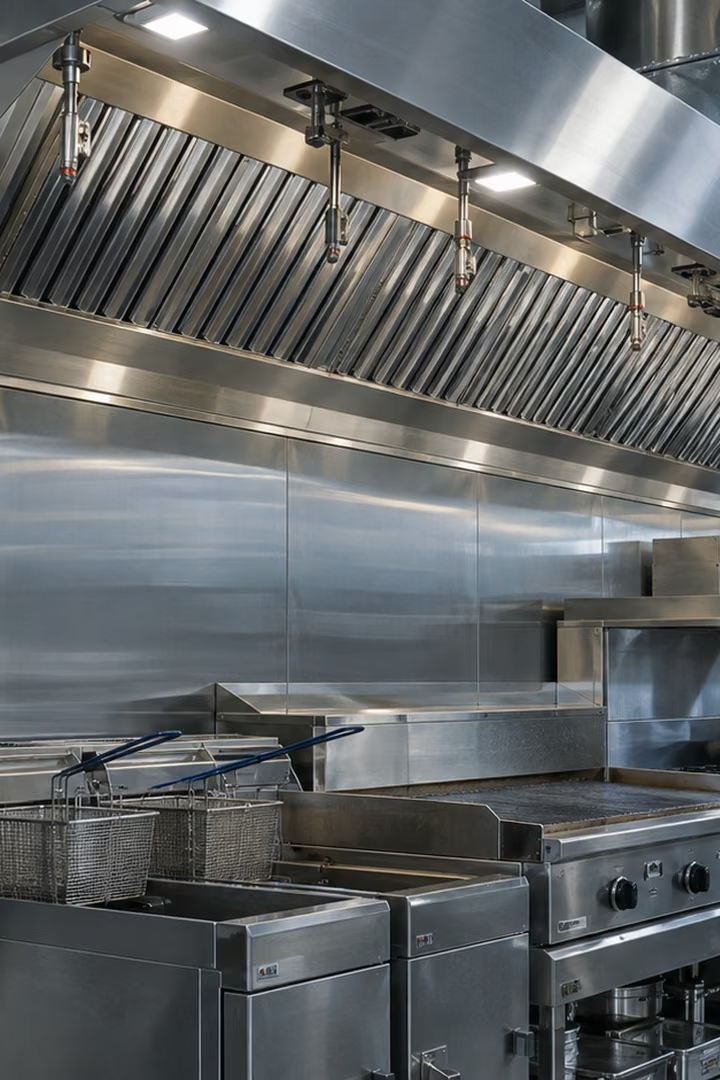
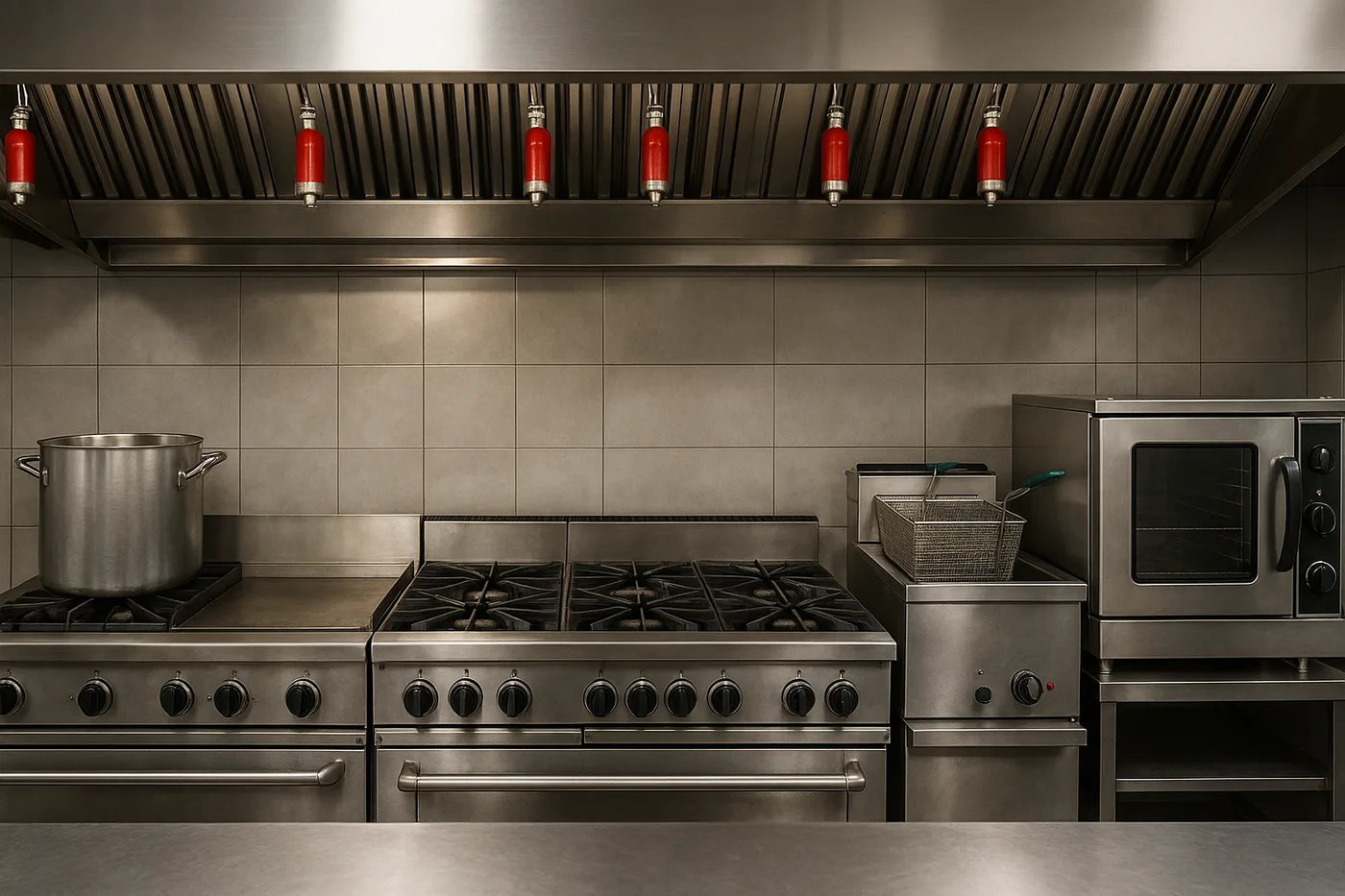
You know that feeling right when the Friday dinner rush hits? The ticket machine is printing nonstop, your line cooks are moving like a synchronized swimming team, and the heat in the kitchen is absolutely intense. Honestly, it is pure controlled chaos. But right above all that beautiful madness is something most restaurant owners rarely think about until it becomes a massive problem. I am talking about your Kitchen Exhaust hood. Sure, your closing crew might wipe down the shiny stainless steel exterior before locking up for the night. But what is lurking up inside the hidden ductwork? That is a totally different story. If you run a restaurant in Salt Lake City, keeping that Exhaust system clean is not just about passing a random health inspection. It is entirely about survival.
Think about the sheer amount of Grease your fryers and flat tops produce every single week. All those vaporized fats have to go somewhere. They get sucked up into the filters, pulled through the plenum space, and dragged up the vertical ductwork right onto your roof. Over time, that hot vapor cools down and hardens. It turns into a sticky, highly flammable resin. You might think a little grease never hurt anyone. That is a totally understandable thought because grease is just a normal byproduct of cooking. Well, actually, that same accumulated grease is basically liquid fuel waiting for a stray spark. One tiny flare from the grill can ignite that resin. Before you even realize what is happening, the fire travels up the ductwork and engulfs the roof.
This is exactly why the local authorities are so strict about Commercial Kitchen Hood Cleaning. They have seen what happens when regular maintenance is ignored. Let me explain exactly what the fire code requires and how you can keep your kitchen safe, compliant, and completely operational.
The Big Rulebook The Fire Marshal Cares About
Whenever a fire inspector walks through your back doors with a clipboard, they are looking for very specific things. They are not just trying to make your life difficult. They are enforcing regulations primarily based on NFPA 96. If you have never heard of it, NFPA 96 is the standard for ventilation control and fire protection of commercial cooking operations. I know that sounds like a mouthful of professional jargon. Honestly, reading that manual is about as exciting as watching paint dry. But the rules inside it are what keep your doors open and your staff safe from terrible accidents.
The core concept of NFPA 96 is pretty simple to understand. It dictates that your entire Exhaust system must be cleaned to bare metal on a regular schedule. Bare metal means exactly what it sounds like. Every single trace of grease must be removed from the interior surfaces of your hood, the filters, the ductwork, and the exhaust fan on the roof. A quick wipe down with a degreaser simply does not cut it. The system must look like brand new steel.
A service label identifies a visit; it does not by itself prove full-system cleanliness, code compliance or inspection approval. Ask for identifiable photographs, the Completion and Deficiency Report and clear records of any areas not accessed.
Wait, Doesn’t My Closing Crew Clean The Hood?
This is a conversation I have with restaurant managers all the time. They tell me their staff works incredibly hard every night to keep the kitchen spotless. I absolutely believe them. Kitchen workers do an amazing job scrubbing the equipment. But here is the thing. Your staff only cleans the parts of the hood they can easily reach. They take out the baffle filters and run them through the dishwasher. They spray down the shiny canopy above the fryers. That is all wonderful and necessary.
However, your line cooks are not climbing up into the ductwork with heavy duty scrapers. They are not getting up on the roof in the middle of the night to dismantle the upblast exhaust fan. The upblast fan is the heavy motor unit that literally pulls the air out of your building. Grease gets trapped inside the fan housing and under the fan blades. If your staff only cleans the bottom part of the hood, you still have a massive fire hazard sitting right above their heads.
Discuss the cleaning method, equipment protection, access and documentation with the provider before booking. Manufacturer instructions and the actual system condition should guide the work; do not infer experience, special equipment or guaranteed results from a general guide.
The Official Cleaning Schedule You Actually Need
So, how often are you supposed to hire a professional crew? That depends entirely on what kind of food you cook and how much volume you do. The fire code has very specific timelines. You cannot just guess when it is time to clean the system. You have to follow the schedule.
Here is a quick breakdown of the required frequencies based on standard fire safety codes.
| Kitchen Volume | Cooking Type | Required Frequency |
|---|---|---|
| High Volume / 24-Hour | Charbroiling, Wok Cooking, Solid Fuel | Monthly |
| Moderate to High Volume | Standard Frying, Grilling, Flat Tops | Quarterly |
| Low Volume | Pizza Ovens, Baking, Small Cafes | Semi-Annually |
| Very Low Volume | Churches, Daycares, Seasonal Camps | Annually |
Breaking Down the Frequencies
If you run a busy burger joint or a twenty four hour diner, you are vaporizing a tremendous amount of animal fat. Animal fats are incredibly sticky. They build up exceptionally fast. For these types of operations, a quarterly cleaning is usually the minimum requirement. That means you need a professional crew out to your location four times a year. Some places, like busy steakhouses using solid wood fuel, need monthly cleanings. Solid fuel creates creosote. Creosote is a thick, tar-like substance that catches fire very easily.
On the other hand, if you manage a small cafe that only uses a flat top grill for breakfast sandwiches, you might only need service twice a year. Church kitchens or seasonal venues usually only require an annual visit. The key is understanding your specific classification under restaurant fire safety codes in Salt Lake City. If you are unsure about your exact requirement, your local fire marshal or your professional Hood Cleaning Company can help you figure it out.
What Happens During a Legitimate Exhaust Cleaning?
Let me paint a picture of what a proper cleaning service actually looks like. It is a messy, intense process. It requires a lot of hard work. When a professional team arrives at your restaurant after hours, the very first thing they do is protect your kitchen. They drape thick plastic sheeting completely around the hood. This creates a giant funnel that leads down into specialized catch basins or directly into your floor drains. We do this because the cleaning process involves hundreds of gallons of greasy, dirty water. We absolutely refuse to leave a mess on your cooking equipment.
Once the plastic is perfectly secured, the real work begins. The technicians climb up to the roof. They shut off the power to the exhaust fan. Then they carefully hinge the fan open to access the vertical ductwork. They spray a highly concentrated, caustic chemical foam down the ducts. This foam is designed to break down the molecular bonds of the baked-on grease. It needs a little time to sit and work its magic.
After the chemicals have done their job, the technicians use hot water pressure washers to blast the grease away. The water is scalding hot. It cuts through the grease like a hot knife through butter. The dirty water flows down the ductwork, into the plastic funnel we set up downstairs, and safely away from your clean kitchen. The technicians then move downstairs and repeat the process on the plenum space behind the filters. They manually scrape any areas that the pressure washer could not fully clear. It takes time. It really takes a lot of time. But the end result is a system completely stripped down to bare, shining metal.
The Hidden Danger Zones Inspectors Always Check
Fire inspectors know exactly where lazy cleaning companies cut corners. They always grab their flashlights and point them at specific trouble spots. The first place they check is the plenum. The plenum is the dark chamber immediately behind your baffle filters. Many times, kitchen staff will keep the filters looking great, but behind them is a dark cave of flammable sludge.
The next thing they check is the roof. Have you ever been on the roof of your restaurant? Most owners have not. It is out of sight and out of mind. But the roof is where the exhaust fan sits. If your exhaust system is not being cleaned properly, grease will leak out of the fan housing and pool directly onto your roofing materials.
Let Me Tell You About Expensive Roof Damage
Rooftop grease pooling is a complete nightmare. Commercial roofing materials are very susceptible to chemical damage from animal fats. The grease literally eats away at the rubber membrane and the tar. Over time, this causes severe degradation. Eventually, your roof will start leaking dirty, greasy water back into your building during a rainstorm. Replacing a commercial roof costs tens of thousands of dollars. You can completely avoid this massive expense just by keeping the exhaust fan clean and installing a proper rooftop grease Containment system. A simple grease catch box on the roof catches the runoff and saves your roofing membrane.
Insurance Denials Are the Ultimate Nightmare
We need to talk about commercial property insurance. Every restaurant owner pays a small fortune for good insurance coverage. You sleep a little better at night knowing that if a fire does happen, your policy will help you rebuild. But there is a massive catch that many owners do not realize until it is way too late. Insurance policies have strict clauses regarding equipment maintenance.
Inspection and cleaning needs depend on cooking equipment, operating volume, grease conditions and the requirements applied by the responsible fire authority. Confirm the appropriate schedule for the actual system rather than assuming one interval applies to every kitchen.
Why Our Dry Utah Climate Makes Things Worse
You might be wondering if location really matters when it comes to grease fires. It actually does. Operating a restaurant in Salt Lake City presents unique environmental challenges. We live in a high altitude desert. During the summer months, the air here gets incredibly dry. Everything becomes a tinderbox.
When you have exceptionally low humidity combined with high temperatures, fires spread much faster. If a grease fire starts in your ductwork during a hot, dry July evening, it can engulf the roof in minutes. The lack of moisture in the air means the fire burns hotter and consumes oxygen more aggressively. We do not have the natural dampness that coastal cities have. This dry environment means Utah Hood Cleaning standards must be strictly maintained. You simply do not have the luxury of putting off maintenance when the environmental conditions naturally favor rapid fire growth.
How to Spot a Fake Cleaning Job
Unfortunately, there are a lot of shady operators in the restaurant service industry. Some companies offer incredibly cheap prices for hood cleaning. You might be tempted to hire them to save a few bucks. But you get exactly what you pay for. These cheap companies perform what we call a hood polish. They show up, spray some cheap degreaser on the stainless steel canopy, wash the filters, and leave a new sticker on the hood.
They completely ignore the vertical ductwork. They never even set foot on the roof. They know that most restaurant owners will never climb a ladder to check their work. This fake cleaning leaves your building in extreme danger. The visible parts look great, but the hidden zones are still packed with explosive grease.
You can protect yourself by demanding photographic evidence. A legitimate, professional exhaust cleaning company will always provide detailed before and after photos of your entire system. We take photos of the hood, the plenum, the vertical ductwork, and the rooftop fan before we start working. Then we take the exact same photos after the job is finished. We hand those photos directly to you. Photos prove the entire system was brought down to bare metal. If a company ever refuses to provide clear photos of the ductwork and the roof, you should immediately fire them. They are putting your livelihood at massive risk.
Your Partner in Kitchen Safety
Managing a commercial kitchen is hard enough without having to stress about the fire code. You have to worry about food costs, staffing issues, customer reviews, and a hundred other daily fires. You should not have to worry about a literal fire starting in your exhaust duct. By understanding the regulations and partnering with a transparent, hard working service provider, you can cross this massive liability off your list completely. You keep cooking amazing food, and we will keep the grease out of your ductwork.
If you are unsure whether your current system meets the local fire codes, or if you just want to see what a proper bare metal cleaning looks like, we are here to help. Reach out to the experts at Utah Hood Cleaning today at 801-853-8155 and Request a Free Quote.
Equipment instructions, system condition and applicable requirements matter. Do not treat general maintenance information as a substitute for an appropriately qualified provider’s assessment.
Explore commercial kitchen exhaust cleaning