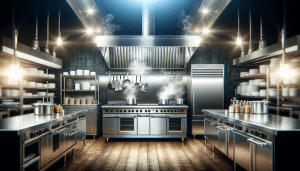
Let me paint a picture for you. It is a Friday night in Salt Lake City. Tickets are spitting out of the printer faster than your line cooks can read them. The fryers are bubbling vigorously, the grill is hissing, and the air is thick with the smell of sizzling meat and caramelized onions. You know what? Amid all that beautiful chaos, your Commercial Exhaust hood is quietly working its tail off. It pulls the smoke, heat, and vaporized Grease right out of the building. But honestly, most restaurant owners completely forget about this massive piece of stainless steel hanging above their heads until something goes terribly wrong.
Keeping that kitchen hood in top condition is not just about passing an inspection. It is about keeping your doors open, your staff safe, and your food tasting exactly how it should. The Exhaust system is literally the lungs of your kitchen. If it cannot breathe, nobody can breathe. Let me explain how the real pros handle hood maintenance, blending a little elbow grease with some serious industry knowledge.
The Invisible Enemy Floating Above Your Flat Top
Whenever you cook, things change state. You drop a cold piece of meat onto a screaming hot grill. The fats and oils instantly vaporize. They turn into a microscopic mist that floats upward because hot air always rises. This is just basic science. This vapor gets sucked into your hood system. But here is the thing. Once that vapor hits the cooler metal inside your ductwork, it condenses. It turns back into a liquid, and then it solidifies into a sticky, stubborn gel.
We call this stuff FOG, which stands for Fats, Oils, and Grease. It is relentless. It coats absolutely everything it touches. Over time, this sticky layer catches dust, flour, ash, and everything else floating around your busy kitchen. This creates a highly combustible crust. If a stray flame flares up from your grill, that crust can ignite in a fraction of a second.
Different types of food create different types of buildup. A vegan cafe boiling large pots of pasta creates a lot of steam, which mixes with light cooking oils. A classic local spot frying up pastrami burgers and whipping up gallons of fry sauce creates a much heavier, thicker grease layer. No matter what you serve, you need regular commercial Kitchen Hood Cleaning to stop this invisible enemy from taking over your building.
Understanding the Anatomy of Your Exhaust System
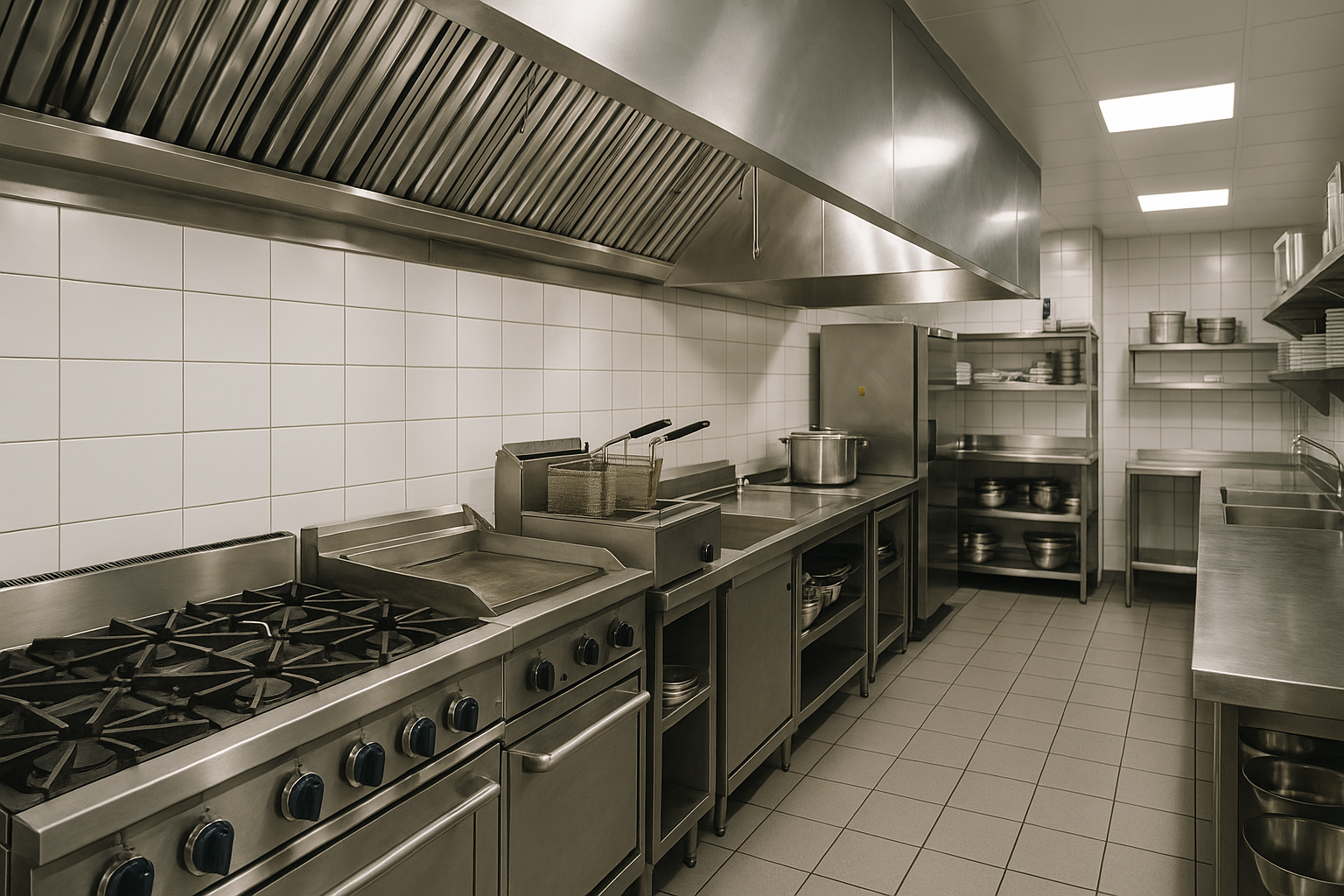
To really appreciate why maintenance matters, you need to know what is actually happening above your head. Your hood system is a lot more complex than just a metal box with a fan. It has specific parts that all need to work together perfectly.
The Baffle Filters
Look up at your hood right now. You will see a row of shiny metal grates. These are your baffle filters. They are your first line of defense. They force the air to change direction quickly. Air can move fast, but heavy grease particles cannot. The grease smashes into the metal curves, slides down the metal fins, and drains into a little catch cup. These filters do a brilliant job, but they get clogged incredibly fast.
The Plenum and Ductwork
The plenum is the empty chamber sitting right behind those filters. It is where the air gathers before shooting up toward the roof. The ductwork is the long metal pipe connecting the kitchen to the outside world. This is where the real danger hides. You cannot see inside the ductwork easily, which means you cannot see the pounds of grease accumulating along the seams. When a grease fire happens, it usually races right up this duct like a chimney.
You Should Clean Your Own Hood (Wait, No You Should Not)
You definitely need to clean your hood system. Actually, no, you should not clean it yourself at all. Let me explain this mild contradiction. There is a huge difference between routine daily cleaning and a true bare metal professional cleaning. Your kitchen staff plays a massive role in daily upkeep, but they simply do not have the tools or the training to handle the deep cleaning required by law.
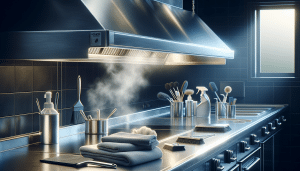
Your team needs to wipe down the exterior stainless steel every single night. They also need to remove the baffle filters and run them through the dishwasher. Some kitchens soak them in a sink full of degreaser overnight. You really just have to get in there and scrub it. You have to scrub the easily accessible parts to keep things looking sharp.
However, your dishwashers cannot climb inside the ductwork. They do not have industrial pressure washers. They do not have the caustic chemicals required to melt away heavy grease safely. That is where we step in. Professional cleaners go all the way to the roof.
| Maintenance Task | Who Should Do It | Frequency |
|---|---|---|
| Wiping down the outer hood canopy | Kitchen Staff | Every single shift |
| Washing the baffle filters and grease cups | Kitchen Staff | Daily or weekly |
| Scraping the ductwork and plenum to bare metal | Professional Cleaners | Monthly to annually |
What Happens Up on the Roof Stays on the Roof
Let us take a quick trip up to your roof. Most restaurant owners in Salt Lake City rarely climb up there. It is hot. It is very, very hot in the summer, and dangerously slick in the winter. But up on your roof sits the upblast exhaust fan. This is the motor pulling all that nasty air out of your kitchen.
The exhaust fan works extremely hard. The fan belt spins constantly. Over time, that rubber belt gets brittle and snaps. When the belt snaps, your kitchen instantly fills with smoke. Furthermore, the fan pushes grease laden air outside. A lot of that grease catches on the fan blades. If the blades get too heavy with grease, the fan shakes violently. This rattling noise travels straight down the duct and echoes in your kitchen.
There is also a grease catch box mounted on the roof right next to the fan. If this box overflows, raw grease spills directly onto your roof membrane. Grease is highly acidic. It eats right through roofing materials. A local landlord will become absolutely furious if they find out your exhaust system just destroyed their expensive commercial roof. We clean the fan, replace worn out belts, and empty that rooftop grease box so you never have to worry about it.
The Legal Stuff You Actually Need to Care About
Nobody likes dealing with red tape. Honestly, I get it. You just want to cook great food and serve your customers. But keeping your kitchen hood clean is heavily regulated for a very good reason. The National Fire Protection Association writes specific rules called NFPA 96 codes. These codes dictate exactly how commercial exhaust systems must be maintained.
The local fire marshal cares deeply about these codes. When they walk into your kitchen for a surprise inspection, they look straight up. They want to see a shiny sticker on your hood canopy. This sticker proves that a certified professional performed restaurant hood maintenance on a strict schedule. If you do not have that sticker, or if your hood is dripping grease, the fire marshal can literally lock your doors and shut down your business.
Your insurance company cares just as much. If a fire starts on the stove and burns down your building, the insurance adjuster will investigate the ductwork immediately. If they find out you skipped your scheduled cleanings, they might refuse to pay out your claim. Paying for regular professional cleaning is the cheapest insurance policy you can buy.
Warning Signs Your Kitchen is Struggling to Breathe
Your kitchen will actually tell you when it needs help. You just have to know what to look for, and sometimes what to listen for. Catching these warning signs early saves you a tremendous amount of money and stress.
Look out for these common red flags:
- Smoke lingering in the kitchen. If your dining room gets hazy during the dinner rush, your exhaust fan is failing to pull enough air.
- Strange rattling noises. That loud shaking sound means your fan blades are unbalanced due to heavy grease buildup.
- Grease dripping from the ceiling. This is the ultimate nightmare. If stagnant liquid drops from the seams of your hood into the food below, you have a massive problem.
- Heavy front doors. If your customers have to pull unusually hard to open the front door, your kitchen has negative air pressure. The exhaust is completely out of balance with the makeup air unit.
Speaking of strange smells, have you ever noticed how a clean kitchen has a very specific scent? It smells like fresh sanitizer and anticipation. But a kitchen with a badly clogged exhaust hood smells entirely different. It smells vaguely like old cooking oil and frustration. The smell of rancid grease clings to uniforms, hair, and even the upholstery in your dining room. A clean system keeps your restaurant smelling appetizing.
Setting a Schedule That Actually Makes Sense
So, how often should you actually call someone to clean this whole system? It entirely depends on what you are cooking and how much volume you do. A bustling 24 hour diner needs a completely different schedule than a quiet summer camp kitchen.
Fast food joints, hamburger spots, and places doing high volume frying usually need a professional cleaning every single month. The grease accumulation happens astonishingly fast. Mid level sit down restaurants, like most local spots in the Salt Lake valley, typically need service every three months. If you run a seasonal operation or a small church kitchen that only cooks once a week, you might only need a professional cleaning once a year.
Places that use solid fuel need special attention. If you cook with a wood fired pizza oven or a charcoal grill, you are creating creosote. Creosote is infinitely more dangerous than regular grease. It requires specialized cleaning techniques and usually a much tighter schedule to prevent catastrophic chimney fires.
Keeping the Crew Happy and Customers Coming Back
Ultimately, investing in proper hood cleaning is an investment in your people. Working in a commercial kitchen is incredibly demanding. The heat is intense. The hours are extremely long. If the exhaust system fails, the kitchen temperature spikes. Your line cooks will be sweating profusely, slipping on greasy floors, and breathing in poor quality air. This leads to exhaustion, bad attitudes, and high employee turnover.
A pristine exhaust system pulls all that excess heat and smoke away. It creates a comfortable, safe environment for your staff. When your staff is comfortable, they cook better food. They provide better service. Your customers notice the difference immediately. They enjoy a pleasant dining room without stinging eyes or weird smells. They come back again and again.
Proper maintenance is not an unavoidable burden. It is just the right way to run a smart, profitable restaurant. We handle the dirty work in the middle of the night so you can walk into a spotless, safe kitchen every morning. You focus on the menu, and we will focus on the metal.
Final Thoughts on Keeping Your Kitchen Safe
Running a successful restaurant takes endless dedication. You already have a million details to manage every single day. Worrying about hidden grease fires in your ductwork should never be one of them. Regular professional cleaning protects your building, satisfies the fire marshal, and gives you total peace of mind. Let the experts scrape, scrub, and polish your system so it performs flawlessly through your busiest shifts.
If you are ready to protect your restaurant and keep your kitchen breathing easily, reach out to us today. You can call Utah Hood Cleaning at 801-853-8155 to speak directly with our friendly local team. We would love to help you Request a Free Quote and schedule your next professional bare metal cleaning.