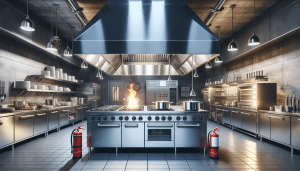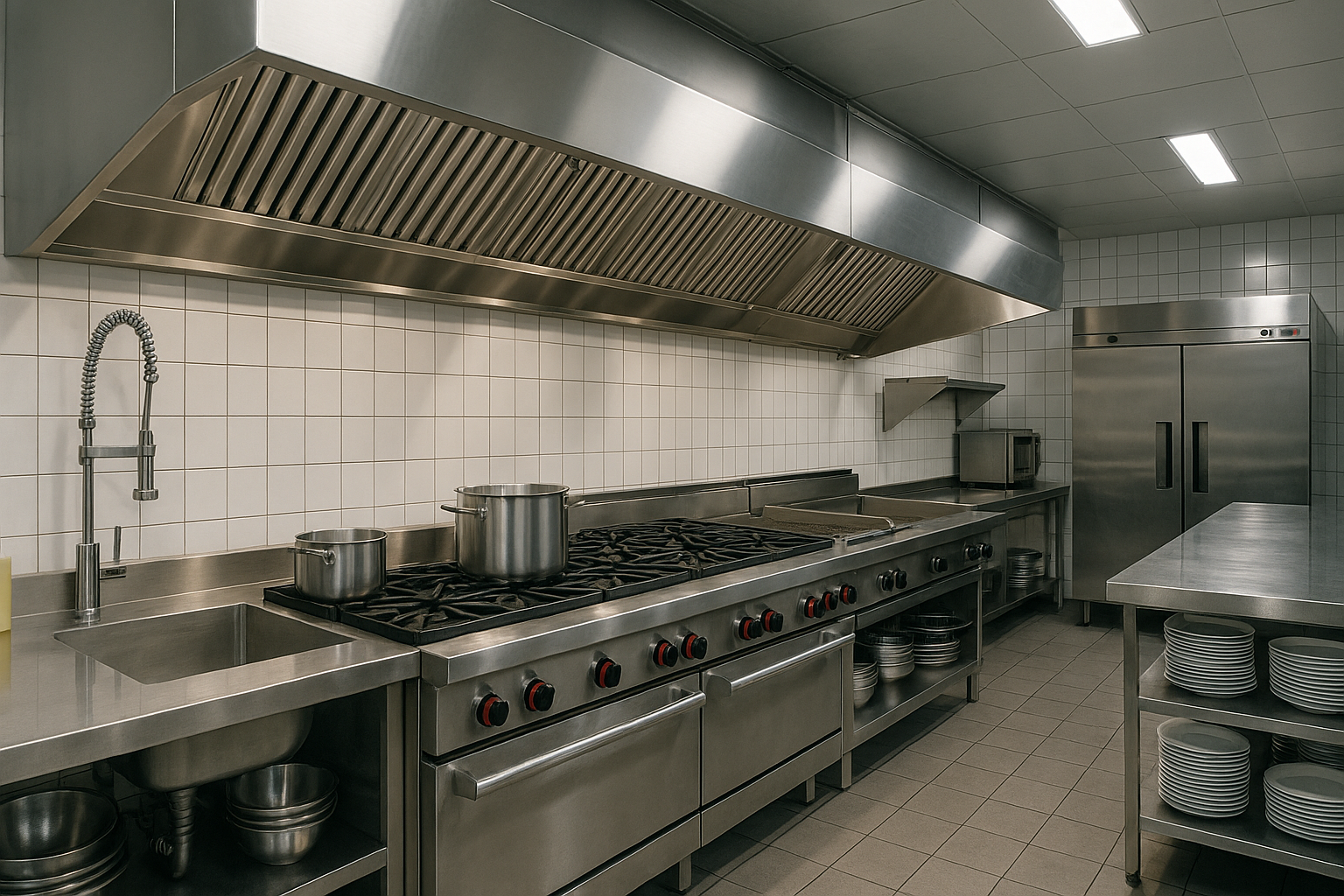
Picture a busy Friday night right in the middle of downtown Salt Lake City. The ticket printer is going crazy, the fryers are bubbling, and the grill is completely loaded up with burgers and steaks. The energy is high. Your kitchen staff is moving fast, pushing out plates to hungry guests. But take a second and look up. Right above that chaos is the unsung hero of your restaurant: the Commercial Kitchen Exhaust hood.
Most restaurant owners see the hood system as just a big metal box. You turn it on, it makes a loud humming sound, and it sucks up the smoke. Simple enough, right? Well, honestly, there is a lot more going on up there. We usually think about hood cleaning when the fire marshal comes around. We schedule a cleaning to get the sticker on the hood and avoid a fine. But you know what? Commercial Hood Cleaning is actually a massive cheat code for your restaurant’s daily efficiency.
When your hood ducts are completely clear of Grease and buildup, the entire kitchen just works better. The air is cooler. The staff is happier. Your utility bills actually go down. Let me explain exactly how a clean Exhaust system keeps your Salt Lake City restaurant running like a well-oiled machine.
More Than Just Checking a Box for the Fire Marshal
It is totally natural to view hood cleaning purely as a safety requirement. Nobody wants a grease fire. Grease is highly flammable, and when it builds up inside a duct, a single stray spark from the grill can cause a massive disaster. Fire safety is huge. But if we only look at the safety aspect, we miss out on the daily operational benefits.
Think about the airflow in your kitchen. An Exhaust system is designed to pull a very specific amount of air out of the building. We measure this in Cubic Feet per Minute, or CFM. When a hood system is newly installed or freshly cleaned, it hits that target CFM perfectly. It pulls the hot air, the smoke, the vaporized grease, and the odors right out of the building.
But over time, sticky grease coats the inside of the exhaust ducts. It builds up on the grease baffles. It covers the fan blades up on the roof. This layer of gunk physically narrows the passageway. Suddenly, your fan is working twice as hard to pull half as much air. The kitchen starts to feel like a swamp. Smoke lingers a little too long over the grill. Your line cooks start wiping sweat from their foreheads way more often.
Your HVAC System is Begging for a Break
Here is the thing about running a restaurant in Utah. Our summers are absolutely brutal. When it is 100 degrees outside, your rooftop AC unit is already fighting an uphill battle. Now, imagine what happens when your kitchen hood isn’t doing its job.
A restricted hood duct leaves hot, humid, greasy air trapped inside the kitchen. All that excess heat has to go somewhere. Usually, it slowly creeps out of the kitchen and into the dining room. Your central air conditioning senses the temperature spike and kicks into overdrive. It runs constantly, trying to cool down a building that is actively being heated from the inside out.
This puts an insane amount of wear and tear on your HVAC equipment. Plus, it drives your energy bills right through the roof. Keeping your kitchen hood ducts clean ensures that the hot air actually leaves the building the way it was designed to. Your AC gets a break, your power bill drops, and your dining room stays perfectly comfortable for your guests.
Just to give you an idea of how this impacts your wallet, look at this quick breakdown:
| Duct Condition | Exhaust Fan Strain | HVAC Cooling Load |
| Freshly Cleaned | Normal / Low | Balanced |
| Moderate Grease Buildup | Working Harder | Noticeable Increase |
| Heavily Clogged | Overheating Risk | Extremely High Energy Draw |
The Hidden Cost of a Sweaty, Cranky Kitchen Crew
Let’s talk about the human element for a second. The restaurant industry is notorious for high turnover. Finding good line cooks, prep chefs, and dishwashers is tough. Keeping them is even harder. You know what makes a good cook walk out the door faster than anything else? A miserable working environment.
Working the line is physically demanding. You are standing on hard floors for eight hours, surrounded by hot metal. If your exhaust system is choked with grease, the ambient temperature in the kitchen can easily spike to 110 degrees or more. It gets physically exhausting to just stand there, let alone perfectly execute a complicated menu item during a dinner rush.
When the kitchen is that hot, mistakes happen. People get tired. Communication breaks down. Tickets take longer to push out. A clean hood system pulls that suffocating heat away from the cooking line. A properly functioning makeup air unit then replaces that exhausted air with fresh, cool air from outside. Keeping those ducts clean directly impacts the comfort of your staff. Happy cooks make better food, and they stick around longer. It really is that simple.
Don’t Let the Dining Room Smell Like the Fryer
Have you ever walked into a restaurant and immediately noticed a heavy, greasy smell? It kind of sticks to your clothes. You leave the restaurant, and hours later, you still smell like old french fries. That is a massive turn-off for guests. And honestly, it is usually caused by a dirty exhaust system.
Restaurants are designed with very specific air pressure zones. The kitchen should have slightly negative air pressure compared to the dining room. This means that air naturally flows from the dining room into the kitchen, keeping all the food smells in the back of the house. The exhaust hood is what creates this negative pressure.
If your ducts are clogged with grease, the hood cannot pull enough air. The negative pressure disappears. Suddenly, the kitchen and the dining room start mixing air. All the smoke from the grill and the vapor from the deep fryers drift out to where your guests are sitting. Regular restaurant hood cleaning preserves that crucial air balance. Your food should taste amazing, but your guests shouldn’t have to smell it on their jackets the next day.
Salt Lake City Restaurants Have Unique Needs
Running a kitchen along the Wasatch Front comes with a few weird quirks. We are sitting at over 4,000 feet above sea level. The air is thinner up here. Because the air density is lower, your exhaust fan already has to spin a little faster to move the same amount of air compared to a restaurant at sea level.
When you combine thin high-altitude air with a thick layer of grease inside the ductwork, your system struggles significantly. The fan motors burn out faster. We see this all the time. A restaurant owner will call us because their fan motor died on a Friday afternoon. Replacing a commercial fan motor on a hot roof is expensive. It also means you cannot cook until it is fixed, which means you have to close your doors during peak hours.
Routine cleaning removes that strain. We scrape the ductwork down to the bare metal. We clean the fan blades so they are perfectly balanced again. This prevents unexpected equipment failures and keeps your kitchen pushing out plates without any sudden interruptions.
The Nitty Gritty: How Grease Actually Slows Down Service
It is easy to think of grease as just a messy nuisance. But let’s look closely at what it actually does. Grease is basically aerosolized oil. When you sear a steak or drop a basket of fries, microscopic droplets of oil float up with the steam and smoke.
When these droplets hit the metal inside your hood duct, they cool down and stick. Over weeks and months, this creates a thick, sticky resin. This resin acts like a magnet for dust, ash, and whatever else is floating around. Eventually, it forms hard, crusty layers.
This buildup restricts the airflow. But it also changes the dynamics of your kitchen.
- Reduced Visibility: When the smoke isn’t clearing fast enough, a haze builds up over the line. Cooks struggle to see the true color of the food they are searing.
- Grease Dripping: In extreme cases, grease will accumulate in the hood canopy and literally drip back down onto the cooking surface. This is a massive health code violation and ruins the food.
- Slip Hazards: Airborne grease that doesn’t make it up the hood eventually settles on your kitchen floors. The floor becomes dangerously slick, slowing down your staff as they try not to fall.
A completely clean system eliminates all of these little hurdles. Your staff can move confidently, see clearly, and cook efficiently.
Setting Up a Routine That Actually Works
So, how often should you actually have your hoods cleaned? Well, it depends entirely on what you are cooking and how much of it you are selling. There is no magic number that fits every single restaurant in Utah.
If you run a high-volume fast-food place with multiple deep fryers running non-stop, you accumulate grease incredibly fast. You probably need a deep cleaning every single month. The same goes for restaurants that use solid fuel, like wood-fired pizza ovens or charcoal grills. Wood creates creosote along with grease, which is a highly volatile combination.
On the other hand, if you manage a small cafe that mostly serves soups, salads, and maybe does some light flat-top grilling, you might only need a cleaning every six months. Standard sit-down restaurants usually hit the sweet spot at about once a quarter.
The key is consistency. When you get on a set schedule, you never have to guess. You never have to wait for the kitchen to start filling with smoke before you make a phone call. The cleaning happens quietly in the background, usually overnight or early in the morning, and your kitchen never misses a beat.
The Anatomy of a Professional Hood Cleaning
A lot of folks wonder what actually happens when a professional crew comes in to clean the system. It is definitely not just wiping down the shiny metal parts that you can see from the floor. That is a common mistake some amateur cleaners make.
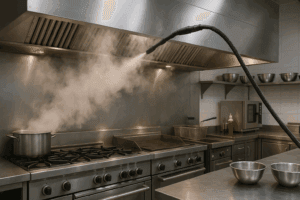
A true, professional cleaning covers the entire system from the cooking line all the way to the roof. We start by removing the grease baffles. These filters catch the bulk of the grease, but they let the finer particles pass through. We soak those in heavy-duty degreasers.
Then, we move up into the plenum. This is the large chamber directly behind the filters. It is dark, hard to reach, and usually caked in thick grease. We scrape it all down by hand. Then we tackle the ductwork itself. Sometimes the ducts go straight up. Sometimes they twist and turn through the ceiling space before going outside. Every inch of that duct needs to be cleared.
Finally, we go up to the roof. The exhaust fan is the lungs of your kitchen. We clean the fan housing, the blades, and ensure the grease trap up on the roof is clear. If that rooftop trap overflows, grease runs down the side of your building or ruins your roofing material.
When we finish, we polish the hood canopy so it looks brand new. We slap our certification sticker on it. You get peace of mind knowing the entire system is breathing clearly again.
Protecting Your Hard-Earned Reputation
At the end of a long shift, restaurant ownership is really about managing a thousand little details. You worry about food costs, labor, marketing, and customer reviews. The last thing you need to worry about is an inefficient kitchen dragging down your operation.
Think of hood cleaning as an investment in your restaurant’s daily rhythm. You are buying better airflow. You are buying a cooler, more comfortable environment for your staff. You are protecting your expensive rooftop AC units from working themselves to death. You are ensuring that every guest walks into a fresh, inviting dining room.
When everything flows smoothly in the back of the house, the front of the house shines. Plates come out faster. The food tastes perfectly seasoned because it wasn’t sitting in a haze of old smoke. The staff smiles more. It creates a completely different atmosphere.
We see it happen all the time. A restaurant will call us because they are tired of their kitchen feeling like a humid box. We come in, do a massive deep clean, clear out all the old grease, and suddenly the space feels completely different. The chefs notice it immediately the next morning. The air literally feels lighter.
Let’s Keep Your Kitchen Moving
Running a successful restaurant in Salt Lake City takes a lot of hard work. You have enough on your plate without dealing with clogged ducts, cranky line cooks, or a failing exhaust fan. Taking care of your kitchen exhaust system is one of the easiest ways to keep your operations smooth, fast, and highly efficient.
If you cannot remember the last time your entire system was scraped down to bare metal, it is probably time to take a look. Don’t wait for the fire inspector to force your hand, and definitely don’t wait for your kitchen to fill with smoke during a busy Friday night dinner rush.
Are you ready to improve your kitchen’s airflow and boost your daily efficiency? Let Utah Hood Cleaning take care of the heavy lifting so you can focus on serving great food. Call us today at 801-853-8155 to Request a Free Quote and schedule your next professional cleaning.