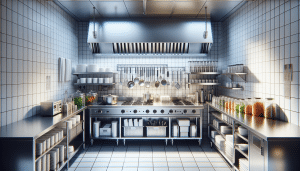
Kitchen fires are an alarming and potentially catastrophic event that can occur in both residential and commercial settings. One of the most common causes of kitchen fires is the buildup of grease in hoods and exhaust systems. When grease ignites, it can quickly lead to a dangerous fire. In such emergency situations, knowing what to do and how to respond can be the difference between containment and disaster. In this article, we’ll discuss emergency hood cleaning and what to do when you need it ASAP to prevent kitchen fires.
Recognizing the Signs of an Emergency
Emergency situations in the kitchen can arise suddenly, but there are signs and symptoms that should alert you to the need for immediate hood cleaning:
1. Smoke and Odor
Excessive smoke and unpleasant odors emanating from the kitchen area, particularly around the hood and exhaust system, can be early indicators of a potential fire hazard.
2. Grease Drips
Visible grease drips or signs of grease buildup on the hood and exhaust surfaces should not be ignored. These are highly flammable and can ignite with the slightest spark.
3. Sizzling or Popping Noises
Unusual sizzling or popping noises coming from the hood or exhaust system could be a sign of grease ignition or combustion, indicating an emergency.
4. Flickering Flames
If flames are flickering or visible within the hood or exhaust system, immediate action is necessary to prevent a fire from spreading.
What to Do in an Emergency
If you suspect an emergency situation due to grease buildup and potential fire hazards in your kitchen hood and exhaust system, follow these steps:
1. Shut Off Heat Source
Immediately turn off all cooking equipment, including stovetops and ovens. This will help eliminate the heat source that can fuel the fire.
2. Evacuate the Area
Ensure the safety of all kitchen staff and customers by evacuating the kitchen area promptly. Do not attempt to extinguish the fire yourself if it has already ignited.
3. Call Emergency Services
Dial 911 or the emergency services number in your region to report the fire. Inform them of the location and nature of the emergency.
4. Use Fire Extinguishers
If you have a Class K fire extinguisher designed for kitchen fires, use it to attempt to suppress the fire while awaiting the arrival of the fire department. Always follow safety instructions when using extinguishers.
5. Do Not Use Water
Do not attempt to use water to extinguish a grease fire, as it can spread the flames and worsen the situation. Water should only be used for other types of fires.
6. Stay Safe
Prioritize the safety of yourself and others. Do not attempt to re-enter the kitchen until it has been declared safe by emergency personnel.
Preventing Emergency Situations
Preventing emergency situations in the first place is the best course of action. Regular hood cleaning and maintenance are essential to ensure that grease buildup does not reach dangerous levels. Schedule professional hood cleaning services as recommended by industry standards and local regulations to reduce the risk of emergencies.
If you find yourself in an emergency situation due to grease buildup in your kitchen hood and exhaust system, remember that safety should always come first. Immediate evacuation and calling for professional assistance are crucial steps to prevent further escalation of the emergency.
Utah Hood Cleaning offers emergency hood cleaning services for commercial kitchens, ensuring that your kitchen remains safe and compliant with regulations. Contact us at 801-853-8155 or visit our website utahhoodcleaning.com for immediate assistance and to schedule regular cleaning services to prevent emergencies.