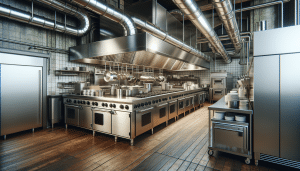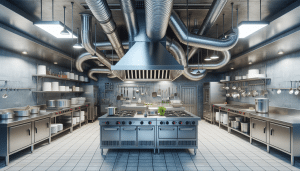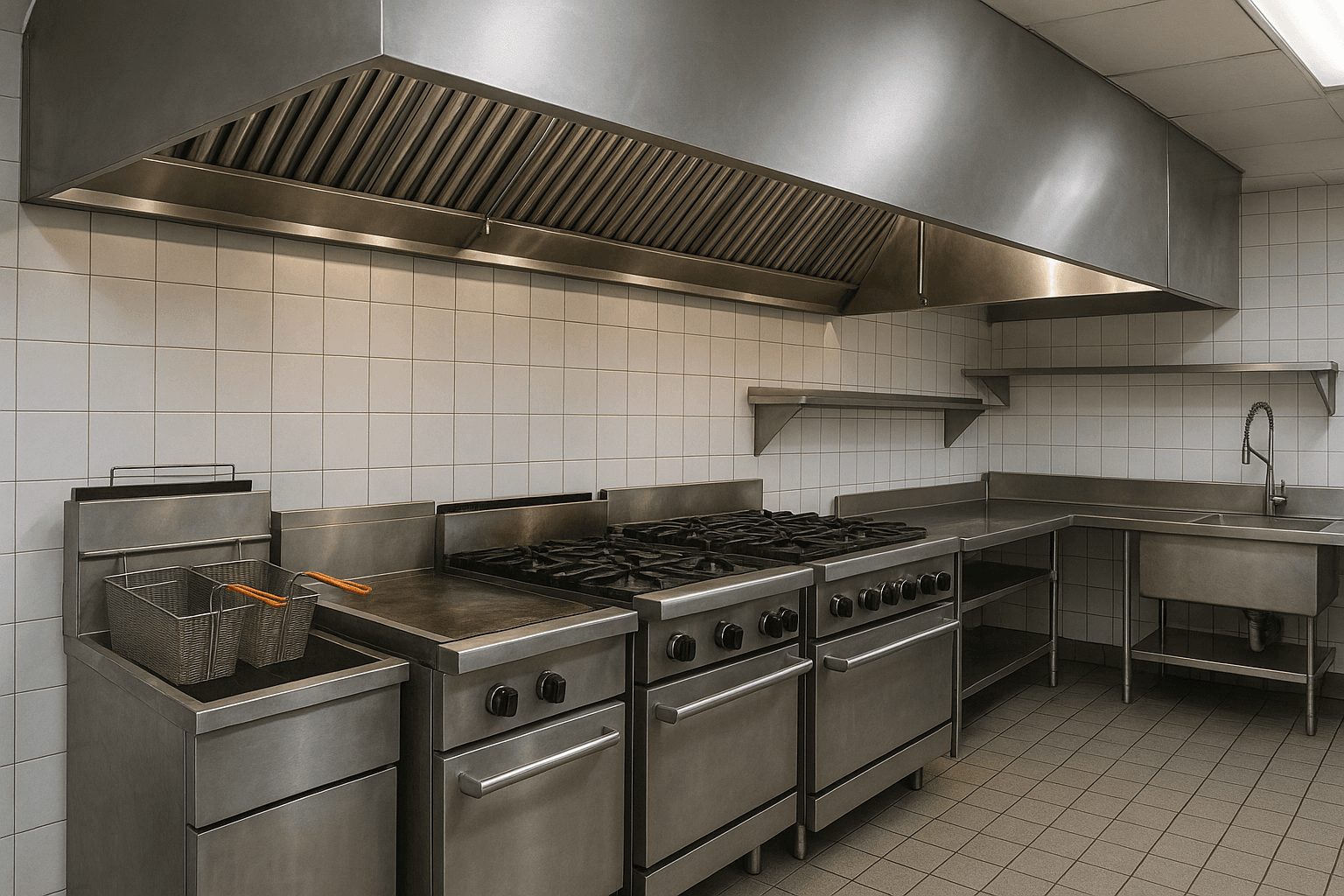
Picture this: It’s 7:30 PM on a Friday in downtown Salt Lake City. The dining room is packed, the ticket printer is chattering like a nervous bird, and your line cooks are moving in that frantic, choreographed dance they do. It’s chaos, but it’s profitable chaos. In the middle of all that heat and noise, nobody is really looking up. I mean, why would they? You’ve got steaks searing and sauces reducing.
But right above their heads, inside that stainless steel canopy, there is a silent accumulation happening. It’s Grease. Thick, sticky, flammable grease. It’s funny how we obsess over the cleanliness of the plates and the shine on the silverware, yet the most dangerous part of the kitchen is often the part we can’t easily see.
Let’s be honest for a second. Most restaurant owners I talk to don’t really think about their Exhaust system until the fire marshal walks in or, heaven forbid, a fan starts making a sound like a dying jet engine. But here’s the thing: keeping that hood clean isn’t just about following the rules or avoiding a ticket from the city. It is genuinely about keeping your doors open and your kitchen running without hiccuping every time the dinner rush hits. When you really break it down, Commercial Hood Cleaning is the backbone of kitchen safety and efficiency.
The Hidden Danger: It’s Not Just Dirt, It’s Fuel
You know what scares me? It’s not the health inspector finding a rogue tomato on the floor. It’s the idea of a grease fire. We all know grease is flammable, but I don’t think people realize just how volatile it gets once it vaporizes and settles into the ductwork. Over time, that vapor cools and solidifies into a sludge that is basically napalm waiting for a spark.
There is this concept called flashover. If a flare-up happens on the grill—maybe a burger gets too happy with the flames—that fire naturally reaches up. If your filters and ducts are coated in old grease, the fire doesn’t just stay on the stove. It grabs onto that grease trail and shoots up into the ventilation system. Once it’s in the ducts, it can travel through the walls and onto the roof in seconds. That is a terrifying thought, right?
I remember seeing a kitchen in Sugar House a few years back. They had a small fire on the line. It should have been a minor incident, something handled with a handheld extinguisher. But because the hood hadn’t been scraped down to the bare metal in who knows how long, the fire jumped. It caused massive roof damage. They were closed for months. That’s the reality of treating hood cleaning as an “optional” expense.
Understanding the Airflow: Why Your Kitchen Feels Like a Sauna
Let’s switch gears and talk about comfort and money. Have you ever walked into a kitchen and it just felt… heavy? Like the air was thick and hot, and the smoke wasn’t really going anywhere? A lot of folks blame the AC or think the makeup air unit is broken. But nine times out of ten, it’s the Exhaust fan struggling to breathe.
Your Kitchen Exhaust system is basically a giant lung. It inhales heat, smoke, and grease-laden vapors and exhales them outside. When the fan blades get coated in heavy grease, they get off-balance. It’s like driving a car with a wheel that’s missing a weight; it wobbles. That wobble damages the bearings and slows the fan down.
When the fan slows down, it can’t pull enough air. The result? Your kitchen gets hotter. Your staff gets cranky (and a cranky line cook is bad for business). Plus, your HVAC system has to work overtime to cool the space down, which sends your utility bills through the roof. It’s a domino effect. A clean hood system allows for proper airflow, which means a cooler kitchen and lower electricity bills. It’s simple physics, really, but it gets overlooked constantly.
The Nitty-Gritty of NFPA 96 Compliance
I know, I know. Nobody likes talking about codes and regulations. It’s dry stuff. But if you are operating a Commercial kitchen in Utah, you have to be friends with NFPA 96. That’s the National Fire Protection Association’s standard for ventilation control and fire protection.
Here is the gist of it: The code dictates how often you need to clean your system based on what you cook and how much you cook.
- Solid fuel cooking operations (like wood-burning ovens): Monthly.
- High-volume cooking (24-hour diners, charbroiling): Quarterly.
- Moderate-volume cooking (most sit-down restaurants): Semiannually.
- Low-volume cooking (churches, day camps): Annually.
Insurance companies love this code. If you ever have a fire claim and you can’t produce a sticker or a certificate showing you were compliant with NFPA 96, they might just deny your claim. Imagine paying premiums for years only to be left high and dry because you skipped a cleaning. It happens more often than you’d think.
It’s More Than Just the Hood Canopy
A common misconception is that if the shiny part above the stove looks silver, the job is done. Honestly, that’s just the tip of the iceberg. The real work—the hard work—happens in the places you can’t see from the ground.
The Ductwork
This is the tunnel that carries the smoke out. It twists and turns through the building. Grease loves to pool in the corners and horizontal runs of these ducts. If a cleaner just wipes the hood and leaves the ducts dirty, they’ve basically left a fuse attached to a bomb. Professional cleaning involves getting into those ducts, sometimes using access panels, to scrape and wash everything down to bare metal.
The Exhaust Fan
Up on the roof, the fan is taking a beating. It’s exposed to the harsh Utah elements—snow in the winter, blistering sun in the summer—plus the hot grease coming from below. We see a lot of fans where the grease has leaked out onto the roof material. Did you know grease eats rubber? It destroys roof membranes. So, a dirty fan doesn’t just risk a fire; it can literally dissolve your roof, leading to leaks the next time it rains.
Why “Jim the Dishwasher” Can’t Do It
I’ve heard this one a million times. “Can’t I just have my closing staff wipe it down?” Well, sure, they can wipe the outside. But asking your kitchen staff to perform a full hood cleaning is a recipe for disaster.
First off, it’s dangerous. We are talking about caustic chemicals, high-pressure hot water, and climbing ladders. It requires protective gear and training. If an employee slips off a ladder or gets a chemical burn, that is a workers’ compensation nightmare waiting to happen.
Secondly, they don’t have the tools. A rag and some degreaser from the supply closet won’t touch the carbonized grease that builds up inside a fan bowl. You need heavy-duty scrapers and industrial-grade pressure washers. Plus, a professional service provides a certified inspection sticker. Jim the dishwasher can’t give you a certificate that the fire marshal will accept. It’s just not worth the liability to try and save a few bucks here.
Pest Control: The Unspoken Benefit
Let’s take a quick detour to something gross. Roaches. Mice. Rats. They are always looking for a free meal. You might keep your floors spotless and your garbage sealed tight, but if there is a layer of grease sitting in your ductwork or on your roof around the fan, you are basically ringing the dinner bell for pests.
Grease is a high-calorie food source for insects. I’ve been on roofs where the grease catch container was overflowing, and let’s just say it was a bustling ecosystem up there. By keeping the entire system clean—from the hood canopy all the way to the roof fan—you remove a major food source. It’s a crucial part of integrated pest management that people rarely discuss.
The Salt Lake City Context
Living and working in Utah brings its own set of challenges. We have a dry, dusty climate. When you mix our local dust with kitchen grease, you get a substance that is almost like concrete. It’s incredibly abrasive to fan bearings.
Also, because of our elevation, air density is a little lower. Fans have to work slightly harder to move the same amount of air compared to sea level. Any restriction in the airflow caused by grease buildup is felt more acutely here.
Furthermore, local authorities in Salt Lake County are pretty sharp. They know what to look for. They aren’t just glancing at the hood; they are checking the filters and asking for your service logs. Being proactive with a professional service like Utah Hood Cleaning means you never have to sweat when an inspector walks through the door.
What a Professional Cleaning Actually Looks Like
If you haven’t had a professional cleaning in a while, you might be wondering what actually happens. It’s a messy process, which is why we usually do it when you’re closed.
We come in and cover everything. I mean everything. The fryers, the grill, the prep tables—it all gets wrapped in plastic. We essentially build a funnel to catch the water and dissolved grease. Then, we go to work with scrapers. We have to manually remove the thick stuff first. You can’t just spray it; you have to physically scrape it off.
Once the heavy buildup is gone, we apply a chemical degreaser that breaks down the remaining residue. Then comes the hot water pressure wash. We wash the inside of the ducts, the fan blades, the plenum, and the filters.
The goal is bare metal. When we are done, we polish the stainless steel hood so it shines. It looks brand new. But more importantly, it’s safe. We also clean up the mess. When your opening crew comes in the next morning, they shouldn’t even know we were there, other than the fact that the kitchen smells better and the exhaust pulls harder.
Extending the Life of Your Equipment
Kitchen equipment is expensive. A decent commercial exhaust fan can cost thousands of dollars. If you let it get caked in grease, the motor burns out faster. The vibration from unbalanced blades can shake the unit apart.
Regular maintenance is an investment, not just a cost. It’s like changing the oil in your car. You do it so the engine lasts 200,000 miles instead of blowing up at 50,000. By keeping the system clean, you are extending the lifespan of the fan, the belt, and even the roof beneath it.
And let’s not forget the baffle filters. Those metal slats inside the hood? They are designed to catch grease before it enters the duct. If they are clogged, they stop working, and more grease enters the system. Cleaning them regularly (often in your dishwasher) helps, but they also need professional attention periodically to ensure they aren’t bent or damaged.
How to Choose the Right Partner
Not all Hood Cleaners are created equal. In this industry, you get what you pay for. You might find a guy with a truck and a pressure washer who quotes you half the price, but is he scraping the ductwork? Is he insured? Does he know the NFPA 96 codes?
You want a partner who communicates. At Utah Hood Cleaning, we take before and after photos. We want you to see what we saw. We want you to verify that the ducts you can’t see are just as clean as the hood you can see. Transparency is huge.
It’s also about reliability. If we say we’ll be there at 2 AM, we’re there at 2 AM. We know you have a business to run, and we can’t be the reason you open late for lunch.
The Bottom Line
Running a restaurant is a tough gig. The margins are thin, the hours are long, and the stress is high. You have enough to worry about without wondering if your ventilation system is a ticking time bomb.
Commercial hood cleaning is about peace of mind. It’s about knowing that if a flare-up happens, the system will contain it, not spread it. It’s about knowing your employees are breathing clean air. It’s about knowing your energy bills are as low as they can be.
Don’t wait for a warning from the fire department or a failure of your exhaust fan. Be proactive. Take a look at your hood right now. If you see grease dripping from the corners or if the fan sounds a little rough, it’s time to make a move. Keep your kitchen safe, efficient, and compliant.
Your kitchen deserves the best care, and frankly, so do you. Let us handle the dirty work so you can get back to doing what you do best—serving up great food to the people of Salt Lake City. Give us a call at 801-853-8155 to schedule your cleaning. You can also visit our website to Request a Free Quote and ensure your kitchen remains the heart of your business, safe and sound.