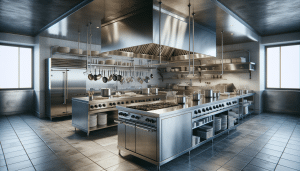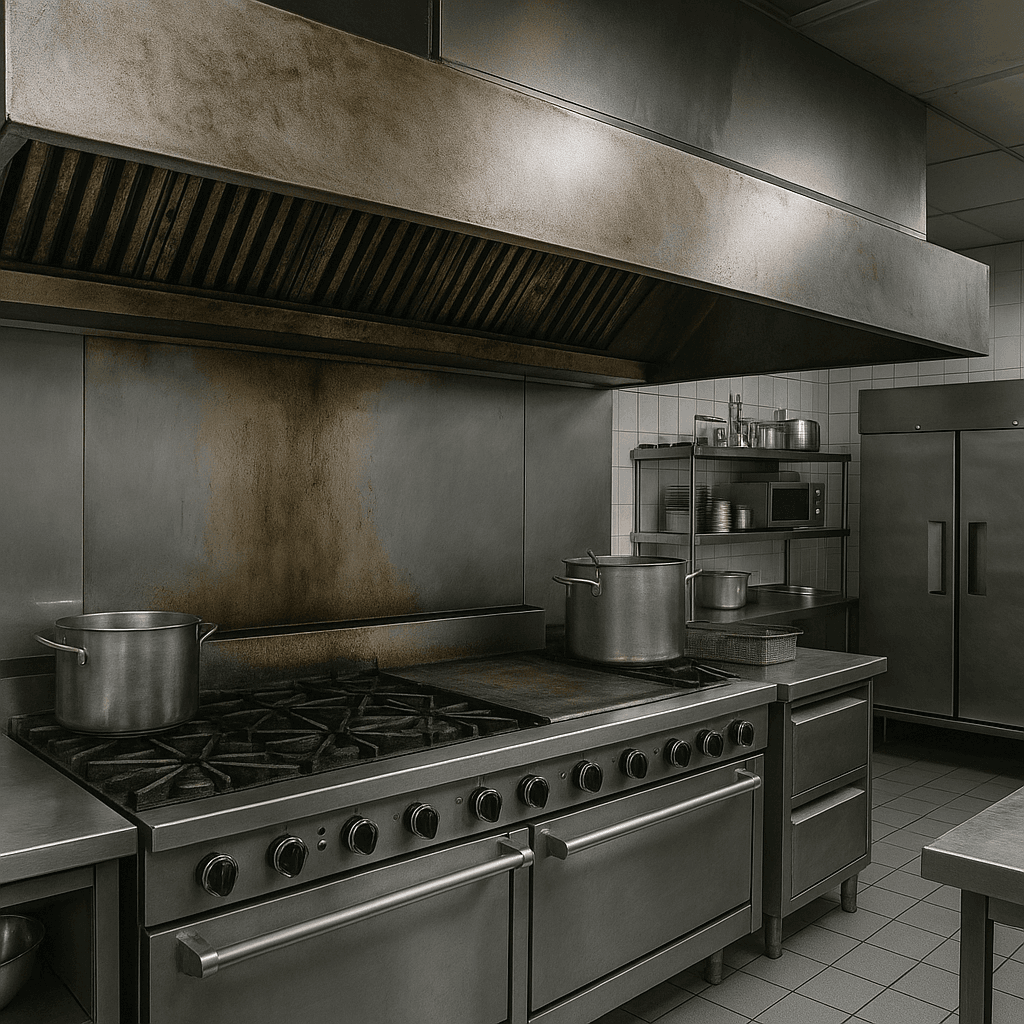
Picture a Friday night in downtown Salt Lake City. The dinner rush is in full swing. The line cooks are moving like a synchronized machine, tickets are flying, and the sheer heat coming off the grill is enough to make anyone sweat. It’s chaotic, it’s loud, and honestly? It’s kind of beautiful. But amidst that organized chaos, there is a silent, invisible component working harder than almost anyone else in the room.
I’m talking about your Kitchen Exhaust system.
Most people don’t look up. They see the food, they see the service, but they rarely notice the metal hood hanging over the line. And why would they? If it’s doing its job, it’s practically invisible. But here’s the thing: that hood is the lungs of your kitchen. It’s inhaling smoke, heat, and vaporized Grease so your staff and customers don’t have to. And just like lungs, if they get clogged up, the whole body—or in this case, the whole restaurant—starts to suffer.
We need to have a real talk about why professional industrial Kitchen Hood Cleaning isn’t just some box you tick on a health inspector’s form. It is the absolute lifeline of your business. Whether you’re running a burger joint in Sugar House or a high-end bistro near Temple Square, the risks of ignoring that metal beast are just too high. Let me explain why keeping that system down to the bare metal matters more than you might think.
The Fire Triangle: Grease is Fuel
You probably remember the fire triangle from grade school science class: heat, oxygen, and fuel. Your kitchen provides plenty of heat. The ventilation system provides the oxygen (airflow). So, what’s missing? The fuel.
Here is the scary reality. Vaporized grease doesn’t just disappear. It travels up into the filters, through the plenum, up the ductwork, and eventually to the upblast fan on the roof. As it travels, it cools and condenses, sticking to the metal walls of your system. Over weeks and months, this creates a thick, sticky, flammable layer of sludge.
If a flare-up happens on the grill—and let’s be honest, flare-ups happen—that flame can leap up. If your filters are caked in grease, they ignite. From there, the fire gets sucked up into the ductwork like a chimney. You know what happens next? That grease buildup acts like rocket fuel. The fire can race through the building’s structure in minutes, often bypassing the sprinkler system entirely because the fire is inside the walls, inside the metal ducts.
This isn’t fear-mongering; it is physics. The National Fire Protection Association (NFPA) has a code, specifically NFPA 96, which dictates how often these systems need cleaning. It’s not arbitrary. It’s based on how quickly that fuel builds up. Neglecting this is literally playing with fire.
The “Utah Factor” and Airflow Mechanics
Let’s shift gears for a second. We live in a high desert. Salt Lake City has distinct seasons, but generally, the air here is dry. You might think, “Does the climate really affect my hood?” Surprisingly, yes.
In humid environments, grease stays a bit more liquid. Here, combined with the dry heat, grease tends to bake onto surfaces harder and faster. It turns into a varnish-like substance that is incredibly difficult to remove without heavy-duty chemicals and pressure.
But beyond the consistency of the sludge, there is the issue of airflow. Your Exhaust fan is designed to pull a specific amount of cubic feet per minute (CFM) of air. When the blades of that fan on the roof get loaded with grease, two things happen:
1. The fan becomes unbalanced. This shakes the unit, wearing out the bearings and belts much faster.
2. The fan slows down. It physically cannot pull the air it’s supposed to.
When the air isn’t moving, the smoke stays in the kitchen. Your HVAC system has to work double-time to cool the air that the hood should be removing. Suddenly, your kitchen is 110 degrees, your staff is irritable, and your energy bills are spiking. Proper hood cleaning Services restore that airflow, keeping the kitchen cooler and your equipment running longer.
Insurance Companies Are Looking for a Way Out
I hate to say it, but insurance companies are businesses. They want to collect premiums, not pay out claims. If, heaven forbid, you do have a kitchen fire, the very first thing the insurance adjuster will ask for is your cleaning records.
They want to see the “compliance sticker” on the hood. They want to see the invoice from a certified cleaner.
If you can’t produce proof that you have been maintaining your system according to NFPA 96 standards, they can—and often will—deny your claim. They will argue that the damage was due to negligence. That is a terrifying thought. You could lose everything because you skipped a cleaning or hired a “guy with a pressure washer” instead of a certified professional.
Utah Hood Cleaning ensures you have that paper trail. We provide the documentation, the photos, and the certification sticker that proves you did your due diligence. It’s not just about cleaning; it’s about liability protection.
Wait, Can’t My Staff Just Clean It?
I get this question a lot. “Can’t I just have my dishwasher stay late and scrub the hood?”
Honestly? No. And here is why.
Your staff can (and should) clean the exterior of the hood and run the baffle filters through the dishwasher. That is daily maintenance. But the dangerous stuff is where they can’t see and certainly can’t reach. We are talking about the area behind the filters (the plenum), the vertical and horizontal ductwork that snakes through the ceiling, and the fan unit on the roof.
First off, it’s a massive safety liability to have an employee climbing on the roof or crawling into a duct. Second, they don’t have the tools. You cannot scrub this stuff off with a sponge and soapy water.
Professional hood cleaning involves:
* Protecting the kitchen: Wrapping equipment in plastic to prevent contamination.
* Caustic degreasers: Applying industrial-strength chemicals that break down carbonized grease.
* Hot water pressure washing: Blasting the sludge away at high temperatures.
* Polishing: Making the stainless steel shine like new.
It’s a messy, dangerous, technical job. Leaving it to your staff is unfair to them and risky for you.
The Hidden Cost of Roof Damage
Have you ever been on the roof of a restaurant that ignores its hood cleaning? It’s gross.
When the catch pans under the fan overflow, grease spills onto the roof surface. Most Commercial roofs are made of rubber or TPO membranes. Grease is acidic; it eats right through that material.
The result? The rubber swells, cracks, and eventually leaks. Now, not only do you have a fire hazard in the duct, but you also have water leaking into your dining room or kitchen every time it rains or snows. Fixing a commercial roof in Salt Lake City is expensive. Regularly cleaning the fan and the grease Containment system on the roof prevents this damage. It protects the physical asset of your building.
How Often Do You Really Need It?
There is no “one size fits all” answer here. It depends entirely on what you are cooking and how much of it you sell. A vegan cafe boiling pasta has a very different grease profile than a steakhouse charbroiling 500 ribeyes a night.
Here is a general breakdown of how we usually schedule things, based on NFPA guidelines:
| Type of Cooking Operation | Frequency | Typical Examples |
|---|---|---|
| Solid Fuel Cooking | Monthly | Wood-burning ovens, charcoal grills, smokers. |
| High-Volume Grease | Quarterly | 24-hour diners, burger places, wok cooking. |
| Moderate Volume | Semi-Annually | Average sit-down restaurants, hotel kitchens. |
| Low Volume | Annually | Seasonal camps, senior centers, churches. |
Most restaurants in the Salt Lake valley fall into that Quarterly (every 3 months) or Semi-Annual category. But you don’t have to guess. A professional inspection can tell you exactly what your accumulation rate looks like.
It’s About Pride in Your Kitchen
Let’s step away from the doom and gloom of fires and lawsuits for a minute. Let’s talk about pride.
There is a distinct smell to old grease. It’s rancid. It’s heavy. If your hood is dirty, that smell permeates everything. It gets in the furniture, it gets in the staff’s clothes, and worst of all, the customers can smell it when they walk in the door.
A clean kitchen smells fresh. It feels professional. When a health inspector walks in and sees a shiny hood with a current certification sticker, their whole demeanor changes. They know you care. They know you aren’t cutting corners. It sets the tone for the rest of the inspection.
Plus, your equipment lasts longer. When the fan isn’t straining against weight, the motor lives longer. When the air flows freely, the ambient temperature drops, meaning your fridges and freezers don’t have to work as hard to combat the kitchen heat. It’s a ripple effect of efficiency.
Choosing the Right Partner
Not all Hood Cleaners are created equal. You’ve probably seen the flyers for guys offering to do it for dirt cheap. Be careful.
“Cleaning the hood” to some people just means wiping down the canopy that you can see. That is basically cosmetic surgery when you need a heart bypass. You need a company that provides bare metal cleaning compliant with NFPA 96. You need someone who takes “before and after” photos so you can verify the work was done in the ductwork where you can’t see.
You need a team that understands the local Salt Lake City regulations and shows up when they say they will. The restaurant industry is stressful enough without having to chase down vendors.
Protect Your Business, Protect Your People
At the end of the day, running a restaurant is a labor of love, but it’s also a serious responsibility. You are responsible for the safety of the people eating your food and the people cooking it.
Ignoring the Exhaust system is like driving a car and never changing the oil—eventually, the engine blows. But in a kitchen, the consequences are much more combustible. Don’t wait until the fan starts making a weird noise or the health inspector writes you up. Be ahead of the curve.
Keep the air clean, keep the fire risk low, and keep your kitchen running like the well-oiled machine it is (pun intended).
If you are looking for a reliable partner to handle the dirty work so you can focus on the food, we are here to help. Contact Utah Hood Cleaning today at 801-853-8155 or go online to Request a Free Quote. Let’s make sure your kitchen is safe, compliant, and ready for the next rush.